
Welcome!
Welcome to the new CancerGRACE.org! Explore our fresh look and improved features—take a quick tour to see what’s new.



Dr. Jack West is a medical oncologist and thoracic oncology specialist who is the Founder and previously served as President & CEO, currently a member of the Board of Directors of the Global Resource for Advancing Cancer Education (GRACE)
It's only 10 patients, but a brief report in the Journal of Thoracic Oncology that just came out today from a group in Amsterdam has gotten my attention because it suggests that the oral multi-targeted anti-cancer agent Nexavar (sorafenib) may be genuinely effective in patients with advanced NSCLC who have a K-RAS mutation. Thus far, essentially all we have learned about patients with K-RAS mutations is that they may be less likely to benefit from both EGFR inhibitors and conventional chemotherapy. But this report of just 10 patients with a K-RAS mutation is notable in that 6 of the 10 patients who received Nexavar had either a partial response or a minor response (tumor shrinkage that isn't sufficient to be considered a partial response). Another three patients had stable disease.
This report is just a single page, but it comes on the heels of a report of the BATTLE trial that looked at various biomarkers and also suggested that patients with KRAS mutations appeared to potentially benefit from Nexavar, with 61% achieving disease control (summary and my thoughts on the BATTLE trial here).
Neither of these relatively small studies provides conclusive evidence that Nexavar is the treatment of choice for patients with a KRAS mutation, but it's far more compelling to see work from different groups converging on the same conclusion. It's particularly encouraging in a setting in which patients have few appealing options. We've had very few leads for patients with KRAS mutations, and to me this work seems very encouraging. I'm confident we'll see this story evolve and am hopeful that Nexavar may well prove to be a genuinely effective treatment for this orphaned clinical population.
Please feel free to offer comments and raise questions in our
discussion forums.
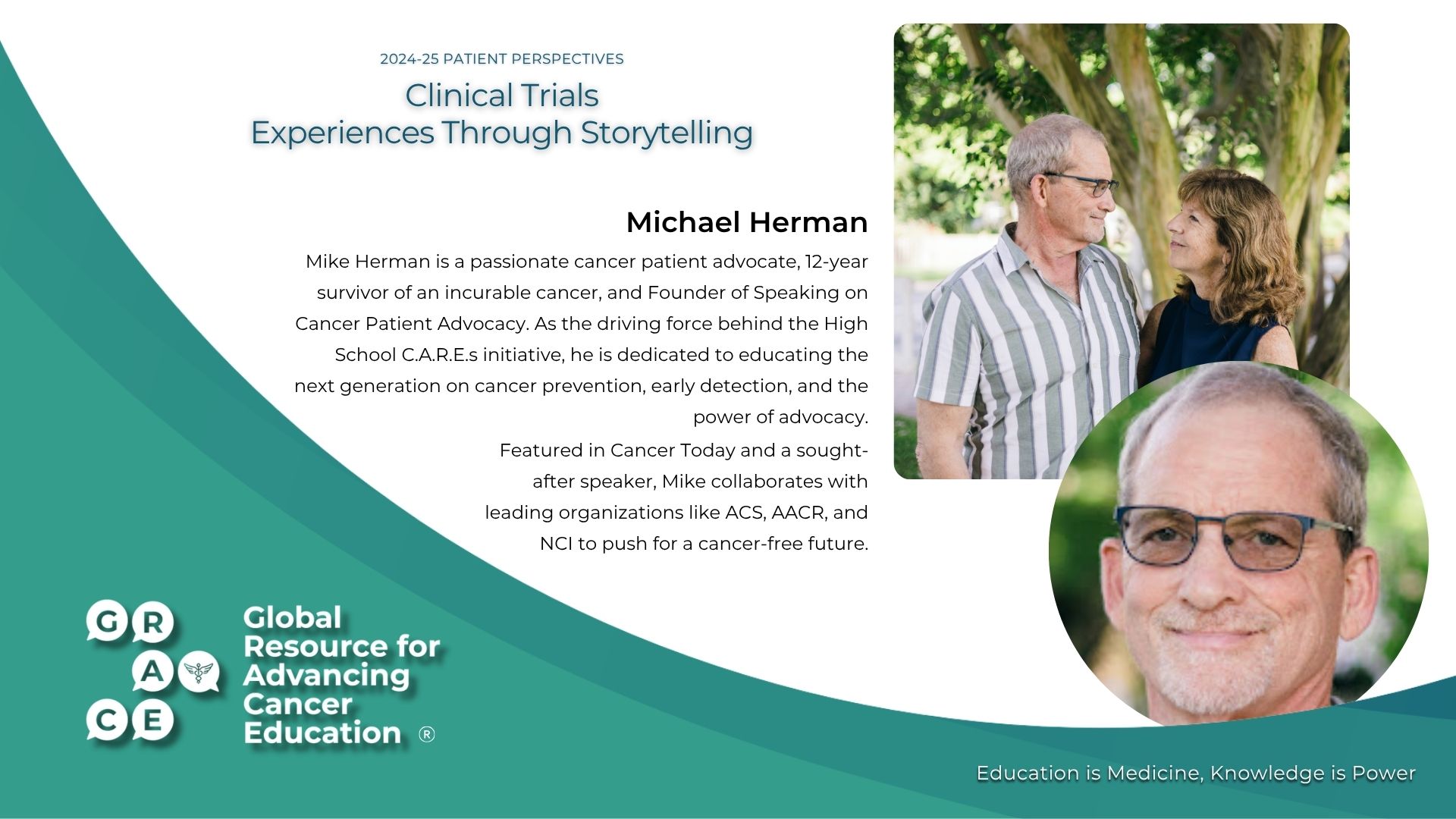
Dr. Singhi's reprise on appropriate treatment, "Right patient, right time, right team".
While Dr. Ryckman described radiation oncology as "the perfect blend of nerd skills and empathy".
I hope any...
My understanding of ADCs is very basic. I plan to study Dr. Rous’ discussion to broaden that understanding.
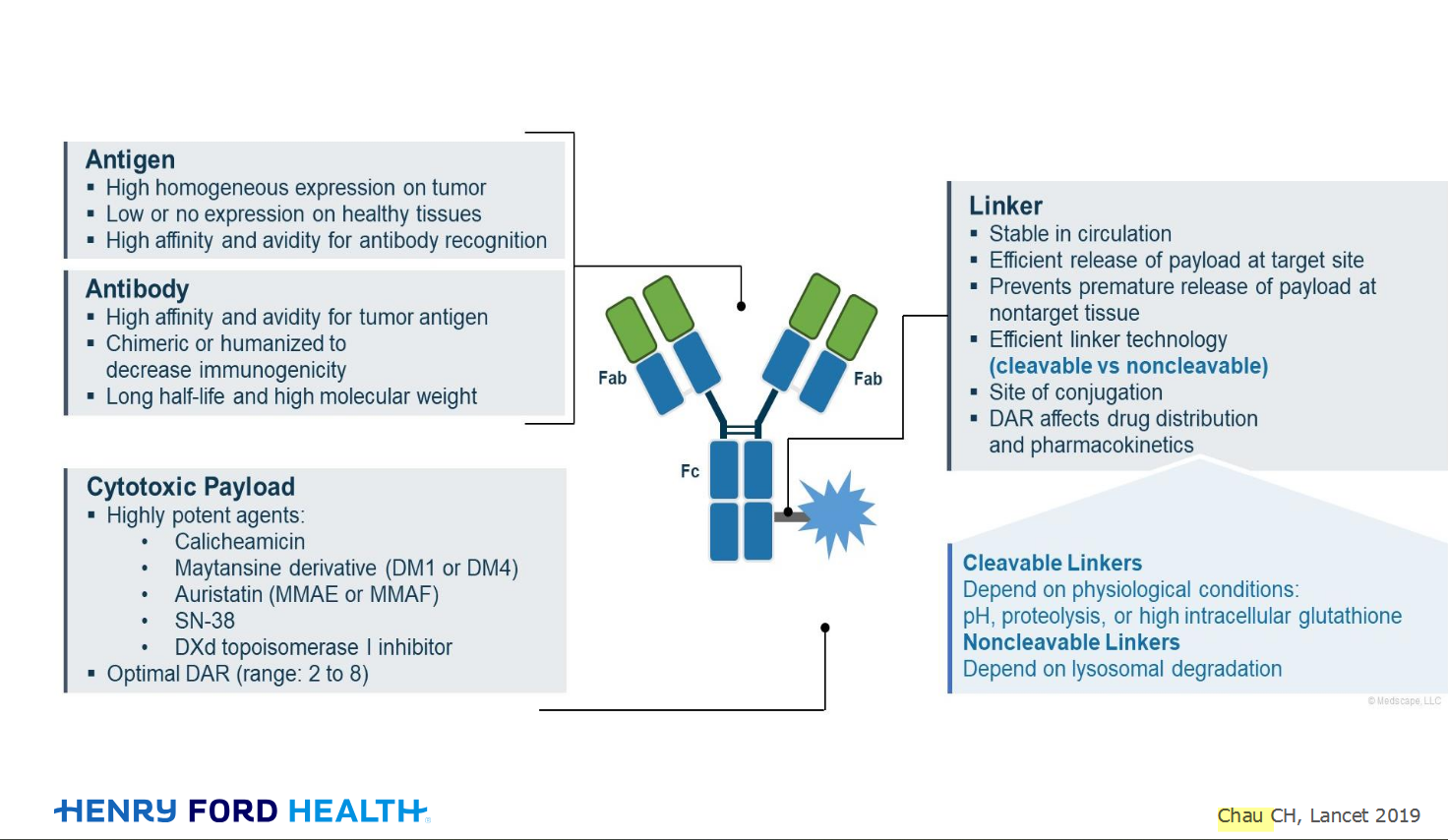
An antibody–drug conjugate (ADC) works a bit like a Trojan horse. It has three main components:
Bispecifics, or bispecific antibodies, are advanced immunotherapy drugs engineered to have two binding sites, allowing them to latch onto two different targets simultaneously, like a cancer cell and a T-cell, effectively...
The prefix “oligo–” means few. Oligometastatic (at diagnosis) Oligoprogression (during treatment)
There will be a discussion, “Studies in Oligometastatic NSCLC: Current Data and Definitions,” which will focus on what we...
Radiation therapy is primarily a localized treatment, meaning it precisely targets a specific tumor or area of the body, unlike systemic treatments (like chemotherapy) that affect the whole body.
The...

Welcome to the new CancerGRACE.org! Explore our fresh look and improved features—take a quick tour to see what’s new.
A Brief Tornado. I love the analogy Dr. Antonoff gave us to describe her presentation. I felt it earlier too and am looking forward to going back for deeper dive.