
Welcome!
Welcome to the new CancerGRACE.org! Explore our fresh look and improved features—take a quick tour to see what’s new.




Dr. Jack West is a medical oncologist and thoracic oncology specialist who is the Founder and previously served as President & CEO, currently a member of the Board of Directors of the Global Resource for Advancing Cancer Education (GRACE)
Although it's uncommon, hypertrophic osteoarthropahy, or HPOA, is an odd and therefore memorable syndrome that can be a side effect of lung cancer. It features an abnormal proliferation of skin and bone tissue, primarily in the hands and feet. Patients can develop clubbing, which is most commonly associated with NSCLC (up to 1/3 of patients) more than SCLC (only about 5%), and adenocarcinoma in particular. Here's what it looks like:


Other features include a buildup of bone in the ends of long bones, and sometimes an effusion (fluid collection) in the joints, particularly large joints.
Patients will often feel painful joints (arthritis/arthopathy), which can look a lot like typical arthritis, particularly when the pain precedes clubbing. But in some cases, that joint pain is an early symptom of lung cancer. What's interesting is that if patients with an early stage NSCLC and HPOA undergo surgery, their joint pain can resolve pretty much as soon as they come out of surgery (imagine coming out of lung surgery with less pain than you started with!).
Why does this happen? One possibility is that platelets, or the predecessor to platelets known as megakaryocytes (which break up into many, many platelets), get out to the ends of the extremities and becomes activated there. That activation can release growth factors such as platelet-derived growth factor (PDGF), which is also known as fibroblast growth factor and can lead to abnormal tissue growth in that area. Another theory is that a factor like vascular endothelial growth factor (VEGF), which is the target of avastin (bevacizumab), may produce this response. There have been rare case reports of patients with HPOA who have also had very high blood levels of VEGF, and in one case the resolution of symptoms corresponded with a rapid drop in VEGF levels after surgery to remove the lung cancer.
This might suggest that antiangiogenic agents, which work largely by inhibiting VEGF activity, may be particularly effective in alleviating symptoms from HPOA in patients with more advanced lung cancer, though I don't believe that's really been reported yet. Another approach that has occasionally been reported as being effective against HPOA is bisphosphonate therapy (medications typically used to reduce progression of bony metastases or osteoporosis), such as zometa or pamidronate. Otherwise, as with surgery, we hope that chemotherapy or other treatments that can treat the underlying cancer effectively can also improve the related syndrome of HPOA.
Please feel free to offer comments and raise questions in our
discussion forums.


Dr. Singhi's reprise on appropriate treatment, "Right patient, right time, right team".
While Dr. Ryckman described radiation oncology as "the perfect blend of nerd skills and empathy".
I hope any...
My understanding of ADCs is very basic. I plan to study Dr. Rous’ discussion to broaden that understanding.
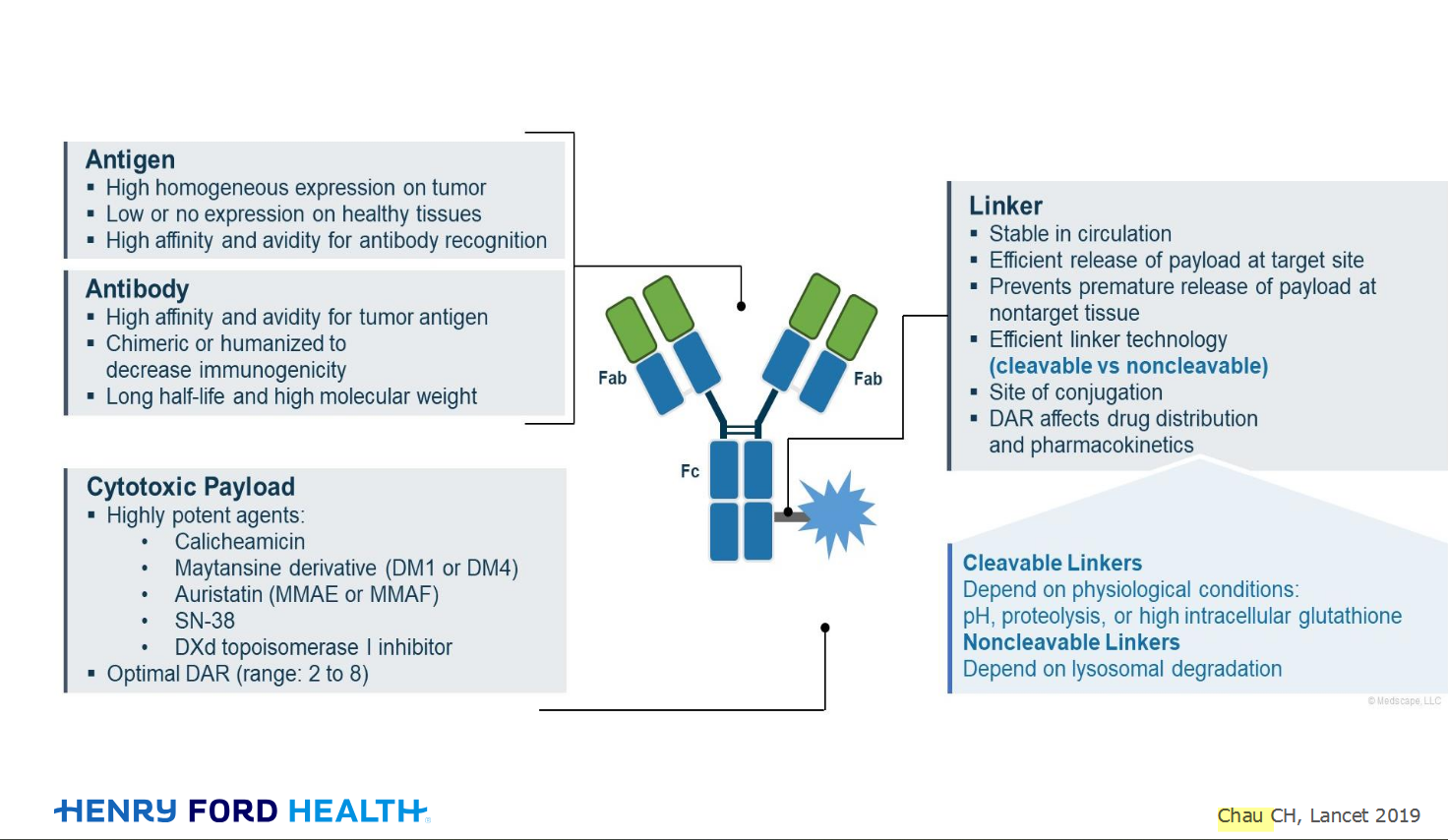
An antibody–drug conjugate (ADC) works a bit like a Trojan horse. It has three main components:
Bispecifics, or bispecific antibodies, are advanced immunotherapy drugs engineered to have two binding sites, allowing them to latch onto two different targets simultaneously, like a cancer cell and a T-cell, effectively...
The prefix “oligo–” means few. Oligometastatic (at diagnosis) Oligoprogression (during treatment)
There will be a discussion, “Studies in Oligometastatic NSCLC: Current Data and Definitions,” which will focus on what we...
Radiation therapy is primarily a localized treatment, meaning it precisely targets a specific tumor or area of the body, unlike systemic treatments (like chemotherapy) that affect the whole body.
The...

Welcome to the new CancerGRACE.org! Explore our fresh look and improved features—take a quick tour to see what’s new.
A Brief Tornado. I love the analogy Dr. Antonoff gave us to describe her presentation. I felt it earlier too and am looking forward to going back for deeper dive.