
Welcome!
Welcome to the new CancerGRACE.org! Explore our fresh look and improved features—take a quick tour to see what’s new.


Dr. Jack West is a medical oncologist and thoracic oncology specialist who is the Founder and previously served as President & CEO, currently a member of the Board of Directors of the Global Resource for Advancing Cancer Education (GRACE)
We are in the midst of a remarkable transitional time in cancer care that is exciting but challenging, since we now have patients divided into smaller and smaller groups based on molecular markers. Along with that, more and more patients and caregivers are participating in social media and online discussion groups. What are the implications for these changes, and how can we use them to accelerate the pace of clinical research? I'd like to focus on a couple of key questions for our next lung cancer tweetchat on September 26, at 8 PM Eastern, 5 PM Pacific.
1) What are leading barriers to clinical research? Which ones might be addressed by connecting members of the lung cancer community online?
2) Can patients & caregivers share data, e.g., Patients Like Me, to facilitate better understanding & generate more interest from pharma companies in studying lung cancer patient groups (potentially narrow ones like those with ROS-1 rearrangements)?
3) Can we lower barriers by making it easier for patients to learn about & travel to participate in trials? Share air miles to help people travel for trials? Offer housing as a network? Telemedicine visits to minimize travel?
I sincerely hope we haven't reached the pinnacle of our efficiency in cancer research, because it's a frustratingly, even maddeningly slow process. So what other ideas do you have? Your ideas could lead to a faster pace for the trials that lead to new treatments in lung cancer.
Please feel free to offer comments and raise questions in our
discussion forums.
Hi app.92, Welcome to Grace. I'm sorry this is late getting to you. And more sorry your mum is going through this. It's possible this isn't a pancoast tumor even though...
A Brief Tornado. I love the analogy Dr. Antonoff gave us to describe her presentation. I felt it earlier too and am looking forward to going back for deeper dive.
Dr. Singhi's reprise on appropriate treatment, "Right patient, right time, right team".
While Dr. Ryckman described radiation oncology as "the perfect blend of nerd skills and empathy".
I hope any...
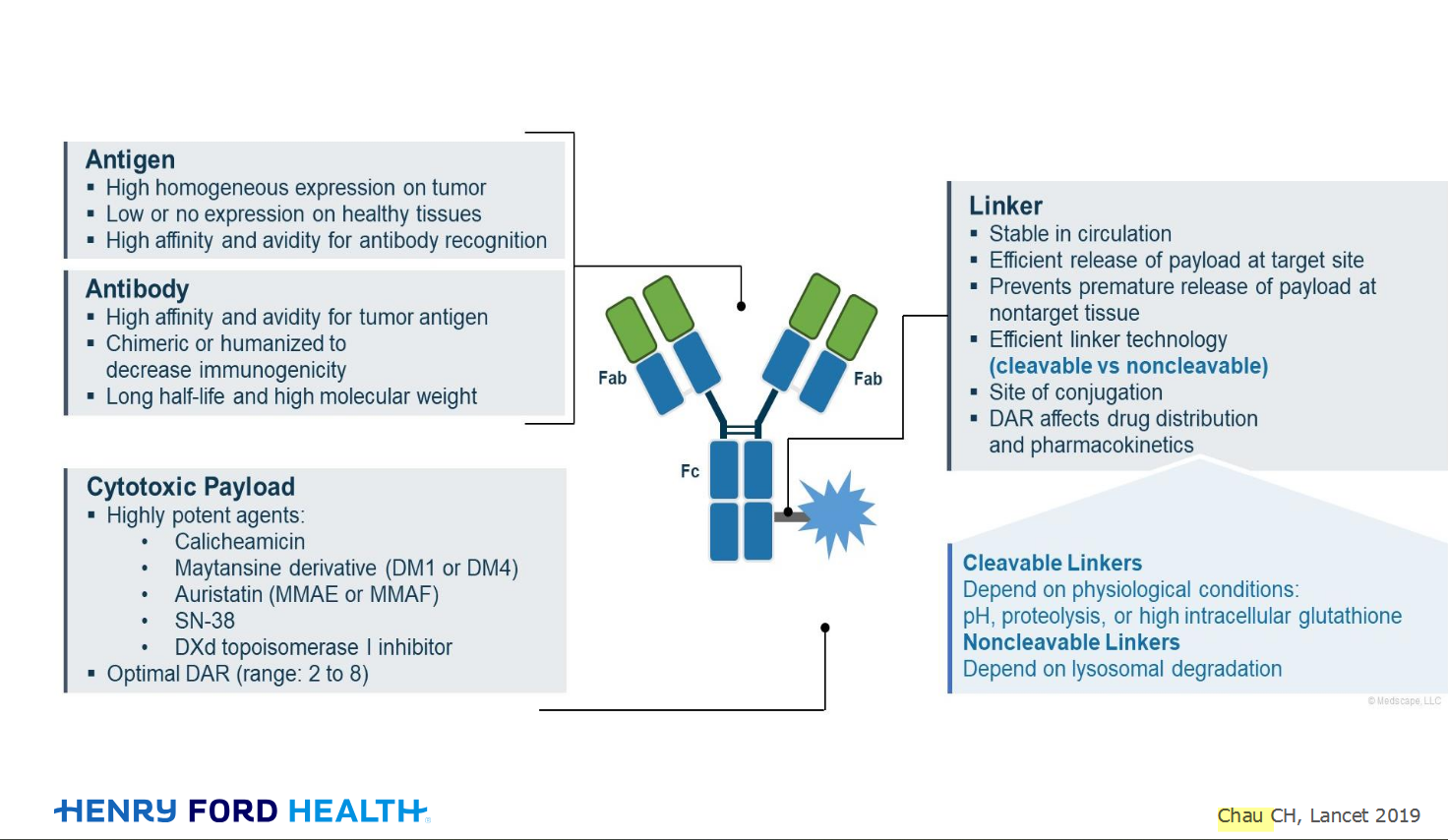
My understanding of ADCs is very basic. I plan to study Dr. Rous’ discussion to broaden that understanding.
Here's the webinar on YouTube. It begins with the agenda. Note the link is a playlist, which will be populated with shorts from the webinar on specific topics
An antibody–drug conjugate (ADC) works a bit like a Trojan horse. It has three main components:

Welcome to the new CancerGRACE.org! Explore our fresh look and improved features—take a quick tour to see what’s new.