
Welcome!
Welcome to the new CancerGRACE.org! Explore our fresh look and improved features—take a quick tour to see what’s new.


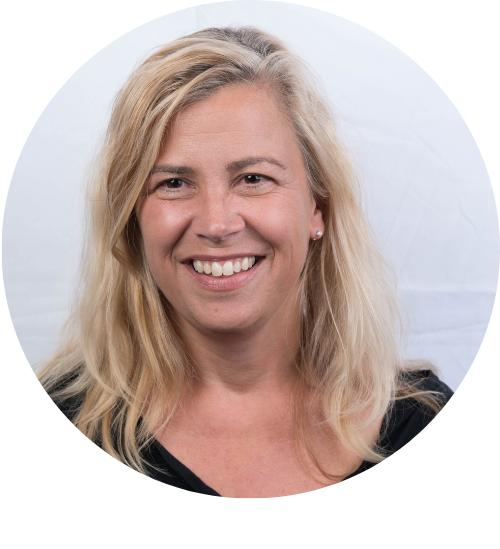
Denise has over 30 years of varying experience in the healthcare arena. In August 2009 she joined The Global Resource for Advancing Cancer Education as one of its first employees. She has grown with the organization and now oversees the operational movement of programs, efficiency, and effectiveness within the organization, as well as the daily processes and functions.

In this 8th annual live patient forum, leading thoracic oncologists from around the world as well as lung cancer patients who are active within the patient advocacy community discuss subjects relevant to all targets as well as breakout sessions on rare mutations.
This 6-hour live virtual webinar is an opportunity for lung cancer patients and caregivers to hear from experts and participate in live virtual question and answer sessions. The forum offers panel discussions, live Q&A sessions, and breakout sessions focused on rare mutations such as EGFR, ALK, ROS, RET and KRAS. This event is free but registration is required and limited. For more information visit the AGENDA and the FACULTY.
Únase a nosotros para el segundo Foro Anual de Pacientes de Terapias Dirigidas. Este evento virtual en vivo está diseñado específicamente para la comunidad de cáncer de pulmón de habla hispana. El evento de medio día invitará a los asistentes a enviar preguntas en tiempo real, creando una conversación con los pacientes durante este evento virtual en vivo y abordando las preocupaciones específicas de la comunidad de habla hispana.
Este seminario web virtual en vivo de 2 horas es una oportunidad para que los pacientes con cáncer de pulmón y los cuidadores en la comunidad de cáncer de pulmón de habla hispana escuchen a profesores expertos de los Estados Unidos, Colombia y Costa Rica. El evento ofrece paneles de discusión y sesiones de preguntas y respuestas en vivo que cubren la terapia dirigida general, así como mutaciones como EGFR, ALK y otras. Este evento es gratuito, pero el registro es obligatorio y limitado. La agenda completa estará disponible pronto.
Para más información visita la Agenda y la Facultad
Join us for the 2nd Annual Targeted Therapies Patient Forum.  This live virtual event is specifically designed for the Spanish-speaking lung cancer community. The half-day event will engage attendees to submit questions in real time, creating a conversation with patients during this live virtual event and addressing the specific concerns of the Spanish-speaking community.

This 2-hour live virtual webinar is an opportunity for lung cancer patients and caregivers in the Spanish speaking lung cancer community to hear from expert faculty from the United States, Columbia and Costa Rica.  The event offers panel discussions and live Q&A sessions covering general targeted therapy as well as mutations such as EGFR, ALK and others.  This event is free but registration is required and limited.  The full agenda willl be available soon.
More information will be available soon!

Please feel free to offer comments and raise questions in our
discussion forums.
Hi app.92, Welcome to Grace. I'm sorry this is late getting to you. And more sorry your mum is going through this. It's possible this isn't a pancoast tumor even though...
A Brief Tornado. I love the analogy Dr. Antonoff gave us to describe her presentation. I felt it earlier too and am looking forward to going back for deeper dive.
Dr. Singhi's reprise on appropriate treatment, "Right patient, right time, right team".
While Dr. Ryckman described radiation oncology as "the perfect blend of nerd skills and empathy".
I hope any...
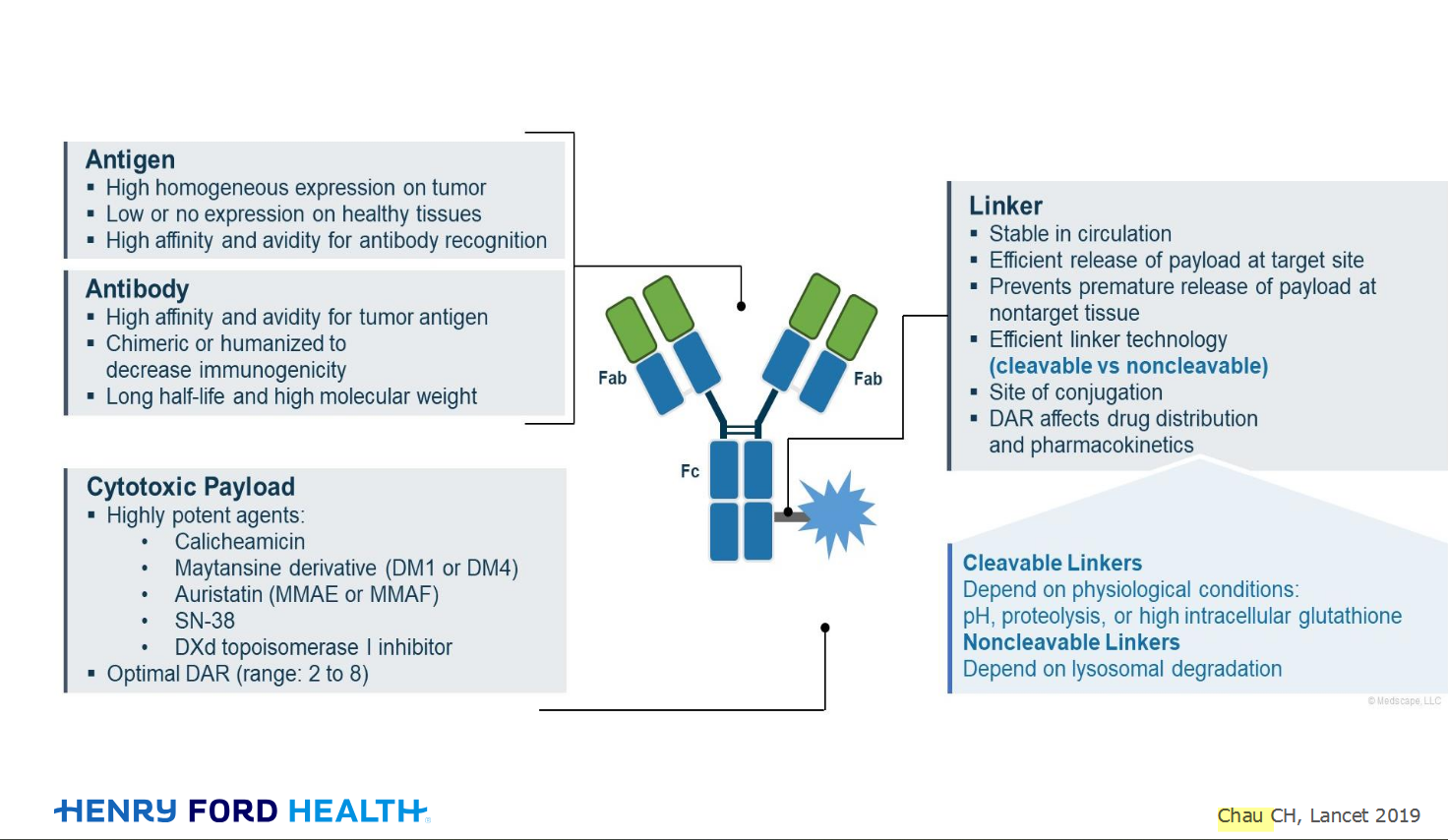
My understanding of ADCs is very basic. I plan to study Dr. Rous’ discussion to broaden that understanding.
Here's the webinar on YouTube. It begins with the agenda. Note the link is a playlist, which will be populated with shorts from the webinar on specific topics
An antibody–drug conjugate (ADC) works a bit like a Trojan horse. It has three main components:

Welcome to the new CancerGRACE.org! Explore our fresh look and improved features—take a quick tour to see what’s new.