
Welcome!
Welcome to the new CancerGRACE.org! Explore our fresh look and improved features—take a quick tour to see what’s new.



Dr. Jack West is a medical oncologist and thoracic oncology specialist who is the Founder and previously served as President & CEO, currently a member of the Board of Directors of the Global Resource for Advancing Cancer Education (GRACE)
Here's the podcast from a webinar I did last month with Dr. Weiss on the subject of whether patients with very limited small cell lung cancer (SCLC) should perhaps undergo surgery as a first intervention. Historically, surgery isn't considered as a typical treatment for patients with SCLC, even if it's very early stage, but some results from retrospective experiences suggest that the patients who undergo surgery in this setting do very well. While that's true, the central question is whether they do well because they receive surgery or because they had a very unusual SCLC that was able to be detected so early. This podcast covers the evidence and the lingering questions about this topic. Along the way, it also provides some discussion of the general characteristics of SCLC.
Here's the audio and video versions of the podcast, along with the figures and transcript for the program.
[powerpress]
west-surgery-for-limited-sclc-audio-podcast
west-surgery-for-limited-sclc-figures
west-surgery-for-limited-sclc-transcript
This doesn't apply to very many people, since it's only a consideration for a minority of patients with SCLC, but the principle of patient selection vs. true value of the intervention in small studies, especially retrospective single institution experiences, is very important in interpreting results of cancer publications.
Next I'll cover some exciting results from a trial of ARQ-197, a c-MET inhibitor that has looked encouraging with Tarceva, and the excellent webinar by Dr. Mark Socinski on maintenance chemotherapy is being completed for posting here very soon as well.
Please feel free to offer comments and raise questions in our
discussion forums.
Hi app.92, Welcome to Grace. I'm sorry this is late getting to you. And more sorry your mum is going through this. It's possible this isn't a pancoast tumor even though...
A Brief Tornado. I love the analogy Dr. Antonoff gave us to describe her presentation. I felt it earlier too and am looking forward to going back for deeper dive.
Dr. Singhi's reprise on appropriate treatment, "Right patient, right time, right team".
While Dr. Ryckman described radiation oncology as "the perfect blend of nerd skills and empathy".
I hope any...
My understanding of ADCs is very basic. I plan to study Dr. Rous’ discussion to broaden that understanding.
Here's the webinar on YouTube. It begins with the agenda. Note the link is a playlist, which will be populated with shorts from the webinar on specific topics
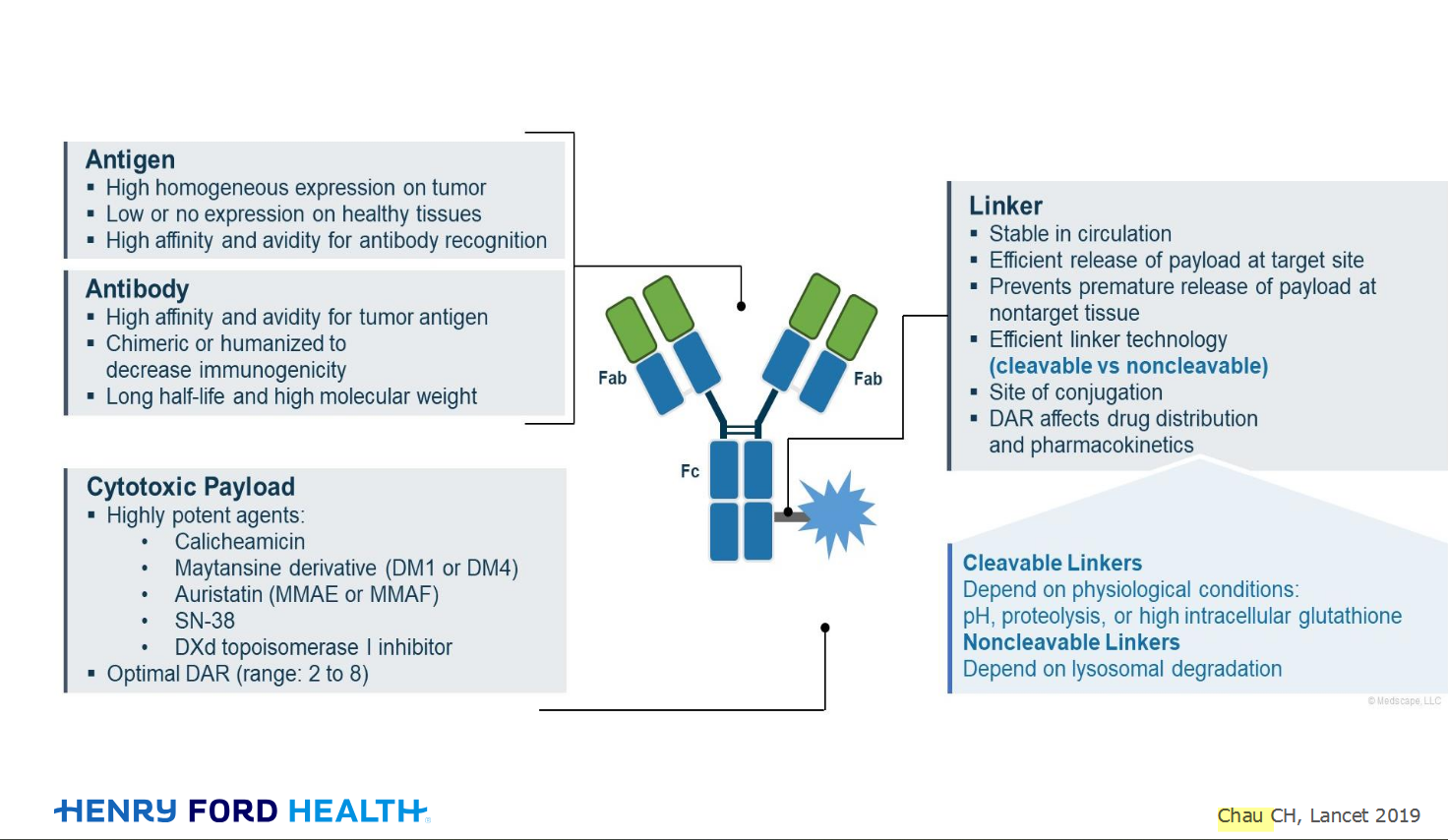
An antibody–drug conjugate (ADC) works a bit like a Trojan horse. It has three main components:

Welcome to the new CancerGRACE.org! Explore our fresh look and improved features—take a quick tour to see what’s new.