
Welcome!
Welcome to the new CancerGRACE.org! Explore our fresh look and improved features—take a quick tour to see what’s new.



Dr. Mary Cianfrocca is Director of the Breast Cancer Program at the Banner MD Anderson Cancer Center in Gilbert, AZ.

From the Grace Archives | Originally Published April 20, 2012 | By Dr. Cianfrocca
It’s a very enticing proposition….that a single, over the counter pill can reduce the risk of heart attack and stroke as well as cancer. Are we there yet? Should we be recommending routine aspirin use even in people without significant cardiovascular risk factors?
Recent studies support this proposition although as with most studies, the devil is often in the details. Two meta-analyses led by Peter Rothwell of the University of Oxford examined the effects of aspirin on cancer incidence and death. The first analysis looked at patient data from 51 randomized trials that compared daily aspirin use with control treatments to prevent vascular events such as heart attacks and strokes. They found that aspirin use reduced the risk of non-vascular death by approximately 12% compared with a control treatment and this effect was mainly due to fewer cancer deaths after five years of aspirin usage.
A second analysis looked at whether aspirin use had any impact on the risk of metastasis from solid cancers. Once again, the patients were participants in five randomized trials comparing aspirin with control treatments to prevent vascular events. In total, 987 new solid cancers were diagnosed among the 17,285 participants. Patients who received aspirin were 46% less likely to have cancer with distant metastasis than those using a control treatment.
The researchers also evaluated the impact of aspirin on a specific type of cancer called adenocarcinoma, which can arise in many different organs. They learned that:
Please feel free to offer comments and raise questions in our
discussion forums.


A Brief Tornado. I love the analogy Dr. Antonoff gave us to describe her presentation. I felt it earlier too and am looking forward to going back for deeper dive.
Dr. Singhi's reprise on appropriate treatment, "Right patient, right time, right team".
While Dr. Ryckman described radiation oncology as "the perfect blend of nerd skills and empathy".
I hope any...
My understanding of ADCs is very basic. I plan to study Dr. Rous’ discussion to broaden that understanding.
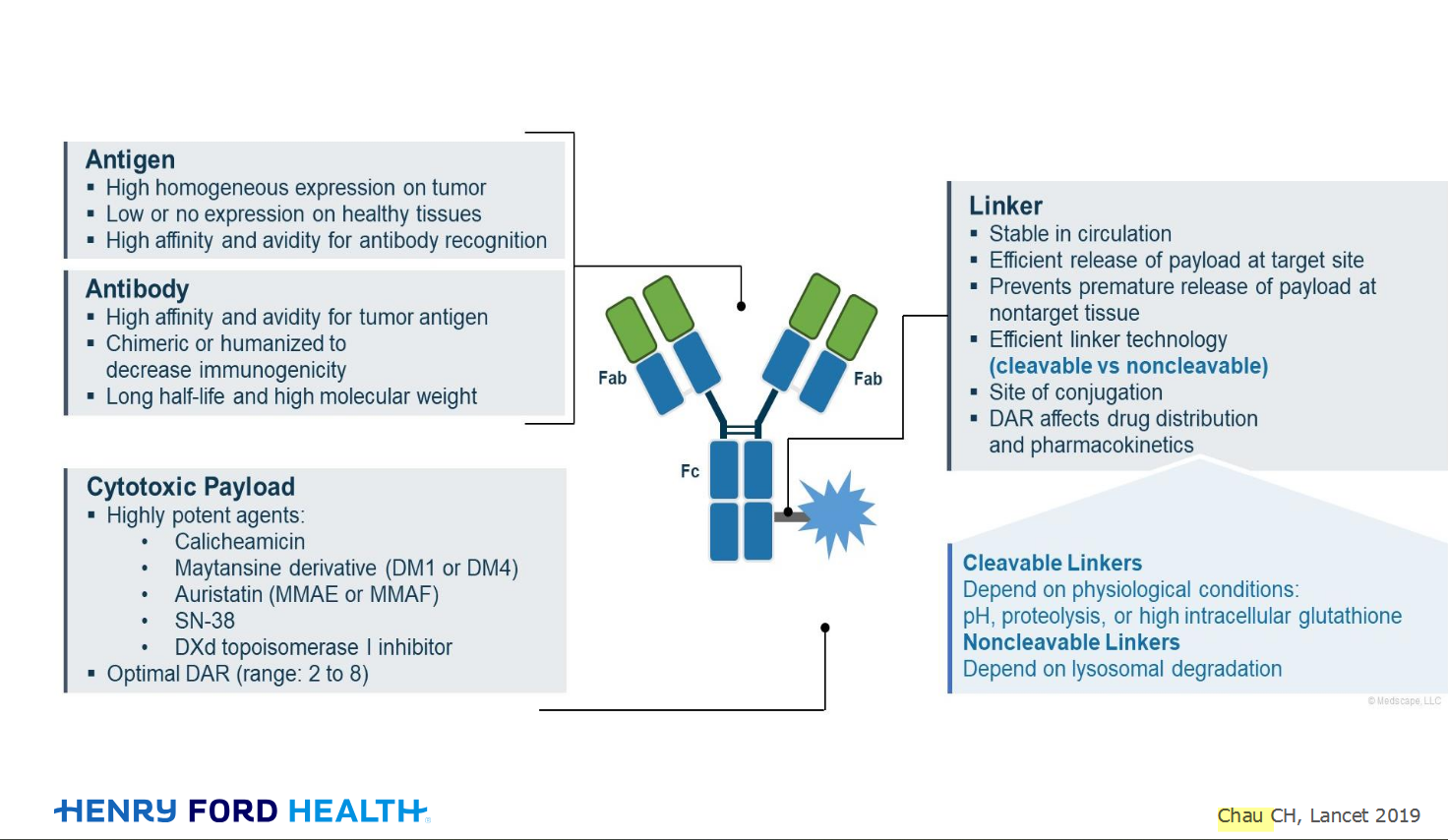
An antibody–drug conjugate (ADC) works a bit like a Trojan horse. It has three main components:
Bispecifics, or bispecific antibodies, are advanced immunotherapy drugs engineered to have two binding sites, allowing them to latch onto two different targets simultaneously, like a cancer cell and a T-cell, effectively...
The prefix “oligo–” means few. Oligometastatic (at diagnosis) Oligoprogression (during treatment)
There will be a discussion, “Studies in Oligometastatic NSCLC: Current Data and Definitions,” which will focus on what we...
Radiation therapy is primarily a localized treatment, meaning it precisely targets a specific tumor or area of the body, unlike systemic treatments (like chemotherapy) that affect the whole body.
The...

Welcome to the new CancerGRACE.org! Explore our fresh look and improved features—take a quick tour to see what’s new.
slimer says:April 21, 2012 at 10:52 pm
One problem of aspirin use not mentioned in the article is this: What about patients on chemo that decimates platelets? Aren’t we told no aspirin because of bleeding/clotting problems? What happens if aspirin use as an anti-cancer, anti-met strategy becomes mainstream? Then aspirin use is OK?
Dr Cianfrocca says:April 22, 2012 at 5:42 pm
You are correct. Some chemotherapy drugs can lower platelets and in those cases, aspirin use may not be advised. But every situation is different since aspirin is currently used for so many different reasons. Patients should always discuss all medications they’re taking with their oncologist.