
Welcome!
Welcome to the new CancerGRACE.org! Explore our fresh look and improved features—take a quick tour to see what’s new.


Drs. Nate Pennell from Cleveland Clinic and Mary Pinder from Moffitt Cancer Center in Tampa, FL sat down with our own Dr. Jack West to discuss early impressions of some of the most provocative research presented at the American Society for Clinical Oncology (ASCO) Annual Meeting in Chicago in early June.
Here's a growing list of podcasts covering the topics they discussed:
Is it possible to test for biomarkers in lung cancer on a national scale?
Is there a role for molecular markers predicting the best chemotherapy to use in lung cancer?
Can we predict which patients will benefit from Tarceva based on a blood test?
Do you need Avastin in first line and maintenance therapy in advanced NSCLC?
Is there a best Avastin-containing regimen for first line and maintenance therapy in advanced NSCLC?
Can we harness our immune system to fight NSCLC?
Can we improve on XALKORI? New agents for patients with an ALK-1 rearrangement
Is Nintedanib a new agent worthy of becoming a new treatment for advanced NSCLC?
Are molecular markers just for NSCLC?
Could BRAF be a new target in NSCLC?
Can we target KRAS effectively in advanced NSCLC?
What have we learned from the START trial of immunotherapy in locally advanced NSCLC?
How do we approach acquired resistance to targeted therapies in lung cancer?
How should we integrate new immunotherapies into treatment strategies for lung cancer?
Is there a place for maintenance therapy in extensive stage SCLC?
This completes the series. We hope you found this content useful.
We thank Drs. Nate Pennell and Mary Pinder for their generosity with their time and expertise in providing this information to the lung cancer community.
We also thank LUNGevity for sponsoring this video series.
Please feel free to offer comments and raise questions in our
discussion forums.
Dr. Singhi's reprise on appropriate treatment, "Right patient, right time, right team".
While Dr. Ryckman described radiation oncology as "the perfect blend of nerd skills and empathy".
I hope any...
My understanding of ADCs is very basic. I plan to study Dr. Rous’ discussion to broaden that understanding.
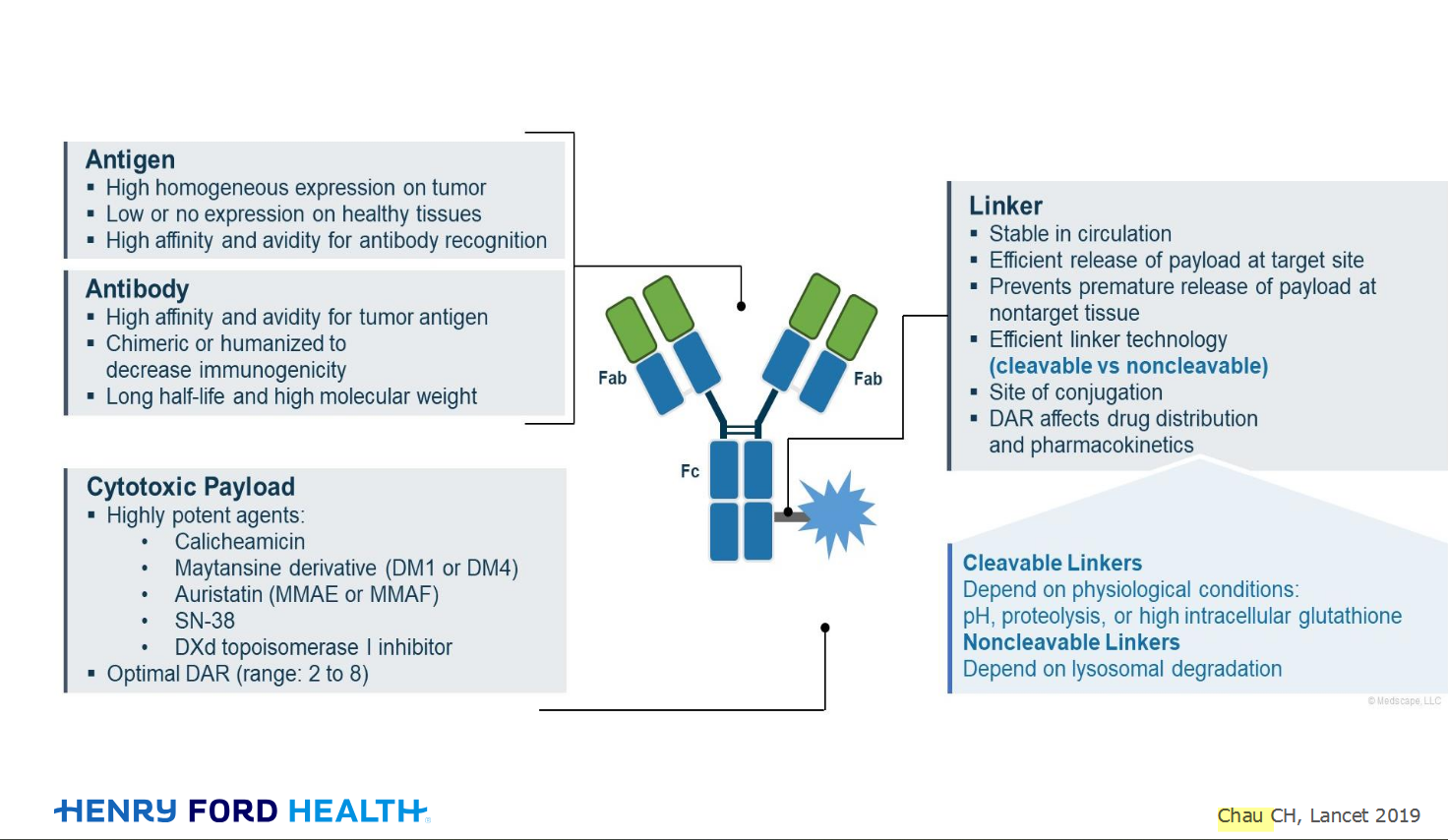
An antibody–drug conjugate (ADC) works a bit like a Trojan horse. It has three main components:
Bispecifics, or bispecific antibodies, are advanced immunotherapy drugs engineered to have two binding sites, allowing them to latch onto two different targets simultaneously, like a cancer cell and a T-cell, effectively...
The prefix “oligo–” means few. Oligometastatic (at diagnosis) Oligoprogression (during treatment)
There will be a discussion, “Studies in Oligometastatic NSCLC: Current Data and Definitions,” which will focus on what we...
Radiation therapy is primarily a localized treatment, meaning it precisely targets a specific tumor or area of the body, unlike systemic treatments (like chemotherapy) that affect the whole body.
The...

Welcome to the new CancerGRACE.org! Explore our fresh look and improved features—take a quick tour to see what’s new.
A Brief Tornado. I love the analogy Dr. Antonoff gave us to describe her presentation. I felt it earlier too and am looking forward to going back for deeper dive.