
Welcome!
Welcome to the new CancerGRACE.org! Explore our fresh look and improved features—take a quick tour to see what’s new.




Dr. Jack West, Swedish Cancer Institute, addresses the issue of choosing a first-line chemotherapy regimen based on an adenocarcinoma histology.
Transcript
There are several different subtypes of non-small cell lung cancer and these are broken down by what is called histology — how they appear under the microscope. The most common subtype of non-small cell lung cancer is known as adenocarcinoma and there may be specific recommendations about what chemotherapy to recommend for patients with an adenocarcinoma.
In general, we favor a two-drug so-called platinum-based doublet for the vast majority of patients with an advanced or stage IV lung cancer, but the exact chemotherapy combination we might favor can differ depending on whether a patient has one subtype, one histology, or another. So for patients with a lung adenocarcinoma it’s fair to say that any of the chemotherapy doublets widely used is an acceptable choice — cisplatin or carboplatin with a taxane such as Taxol, also known as paclitaxel, or docetaxel which is also known as Taxotere, you could consider Gemzar, also known as gemcitabine, but one that is often favored is called Alimta, or pemetrexed.
Why is that? Well, there was a study that was published years ago that looked at the combination of cisplatin and gemcitabine, or Gemzar, versus cisplatin and Alimta, and there were no major differences between the large groups of patients overall, but when they looked specifically at the subgroups based on whether they had a squamous or a non-squamous cancer, the patients who had a squamous cancer did better with cisplatin and gemcitabine, and the opposite was true for the patients with a non-squamous cancer — those patients did particularly well with cisplatin and Alimta. Since then there have been several other studies that have shown particularly favorable results with Alimta in patients with adenocarcinoma histology.
It’s fair to say that there are not great differences, but the tendency toward a more favorable efficacy in patients with adenocarcinoma and the good tolerability, lead many lung cancer specialists and general oncologists alike, to favor a combination of a platinum drug with Alimta for patients with a non-squamous, and especially, an adenocarcinoma histology.
Please feel free to offer comments and raise questions in our
discussion forums.

Hi app.92, Welcome to Grace. I'm sorry this is late getting to you. And more sorry your mum is going through this. It's possible this isn't a pancoast tumor even though...
A Brief Tornado. I love the analogy Dr. Antonoff gave us to describe her presentation. I felt it earlier too and am looking forward to going back for deeper dive.
Dr. Singhi's reprise on appropriate treatment, "Right patient, right time, right team".
While Dr. Ryckman described radiation oncology as "the perfect blend of nerd skills and empathy".
I hope any...
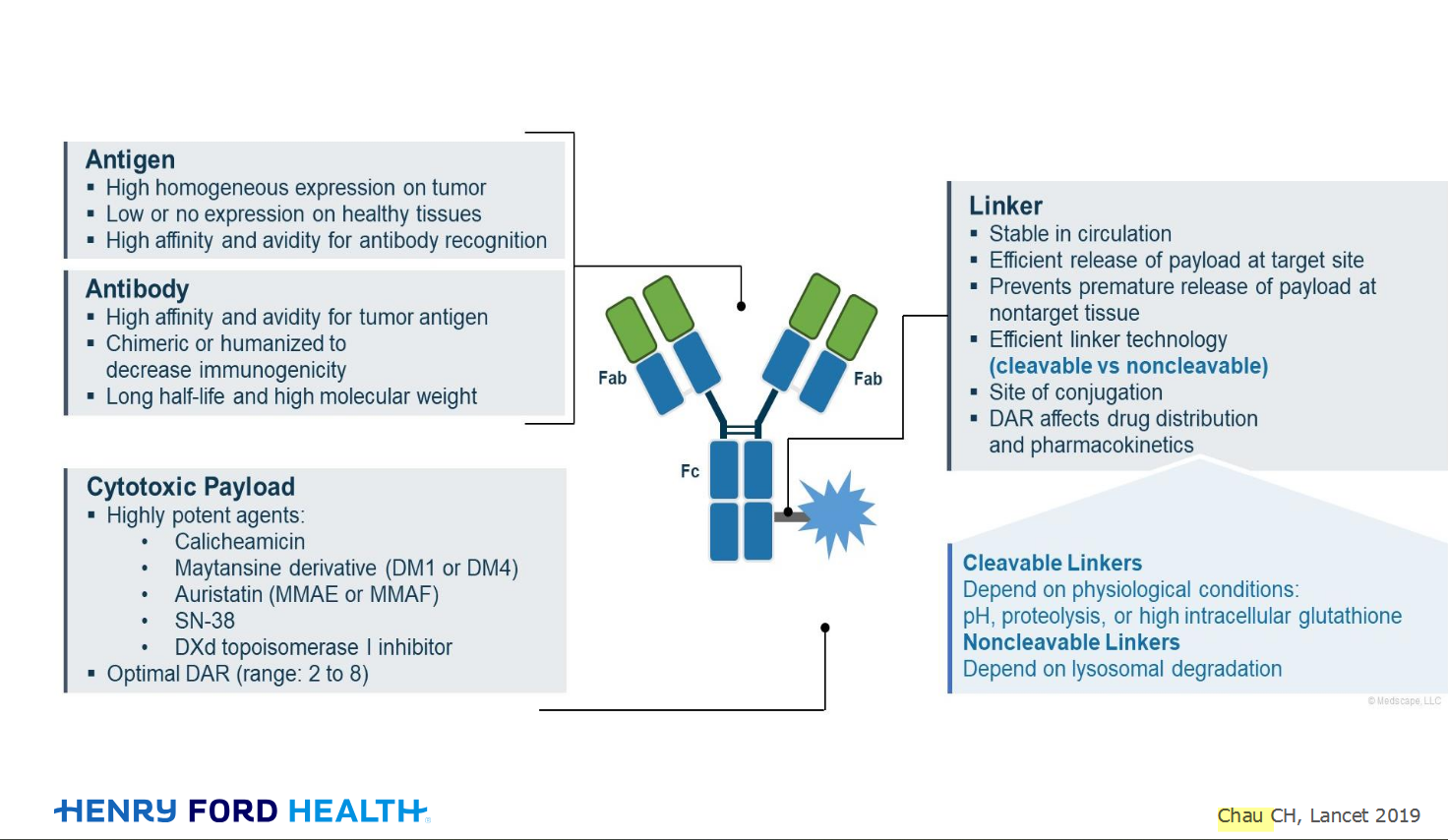
My understanding of ADCs is very basic. I plan to study Dr. Rous’ discussion to broaden that understanding.
Here's the webinar on YouTube. It begins with the agenda. Note the link is a playlist, which will be populated with shorts from the webinar on specific topics
An antibody–drug conjugate (ADC) works a bit like a Trojan horse. It has three main components:

Welcome to the new CancerGRACE.org! Explore our fresh look and improved features—take a quick tour to see what’s new.