
Welcome!
Welcome to the new CancerGRACE.org! Explore our fresh look and improved features—take a quick tour to see what’s new.



Dr. Jack West is a medical oncologist and thoracic oncology specialist who is the Founder and previously served as President & CEO, currently a member of the Board of Directors of the Global Resource for Advancing Cancer Education (GRACE)
 Here's the podcast from the recent webinar by Dr. David Yankelevitz, Professor of Radiology at Mount Sinai Medical Center in New York City, on the subject of "Pulmonary Nodules: Evaluation and Management". He took us through a wonderful review of many recent developments in CT scans, both in screening programs and informal workup of many other medical settings, as well as how the best radiologists distinguish higher from lower risk nodules. He also covered the work-up of higher risk nodules with CT-guided biopsies.
One key point: a huge proportion of lung nodules aren't cancer, and as our CT scanners get more sensitive, we're going to be finding nodules in just about everyone. But when they're that common, it's not really appropriate to call them abnormal.
Below is the audio and video versions of the podcast, as well as the transcript and figures:
[powerpress]
dr-yankelevitz-pulm-nodules-evaluation-and-management-audio-podcast
dr-yankelevitz-pulm-nodules-evaluation-and-management-transcript
dr-yankelevitz-pulm-nodules-evaluation-and-management-figures
This was another webinar in the terrific expert series that we developed in partnership with LUNGevity Foundation. Thanks to both Dr. Yankelevitz and LUNGevity for making this great program possible. I hope it's helpful.
Please feel free to offer comments and raise questions in our
discussion forums.
Dr. Singhi's reprise on appropriate treatment, "Right patient, right time, right team".
While Dr. Ryckman described radiation oncology as "the perfect blend of nerd skills and empathy".
I hope any...
My understanding of ADCs is very basic. I plan to study Dr. Rous’ discussion to broaden that understanding.
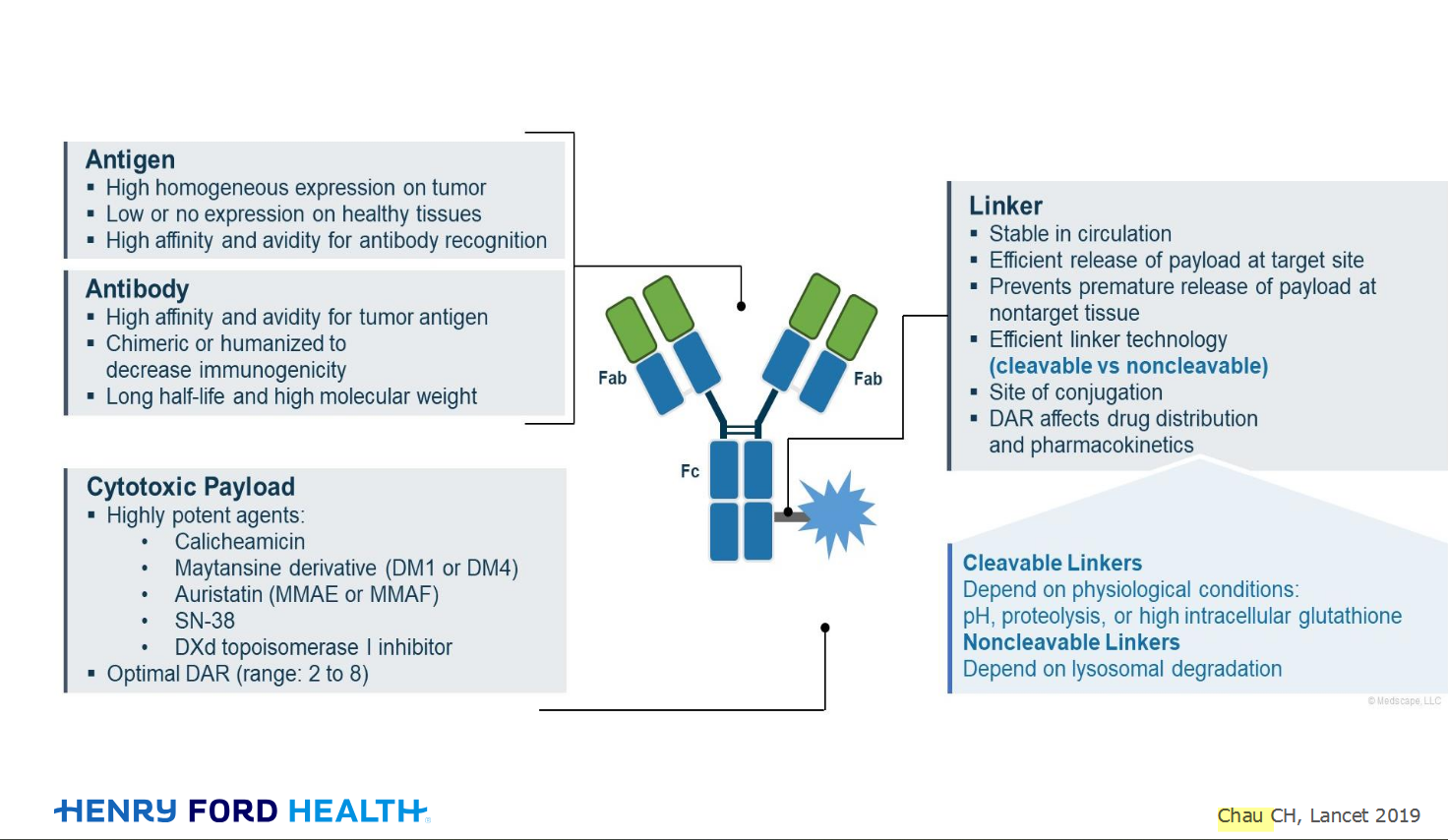
An antibody–drug conjugate (ADC) works a bit like a Trojan horse. It has three main components:
Bispecifics, or bispecific antibodies, are advanced immunotherapy drugs engineered to have two binding sites, allowing them to latch onto two different targets simultaneously, like a cancer cell and a T-cell, effectively...
The prefix “oligo–” means few. Oligometastatic (at diagnosis) Oligoprogression (during treatment)
There will be a discussion, “Studies in Oligometastatic NSCLC: Current Data and Definitions,” which will focus on what we...
Radiation therapy is primarily a localized treatment, meaning it precisely targets a specific tumor or area of the body, unlike systemic treatments (like chemotherapy) that affect the whole body.
The...

Welcome to the new CancerGRACE.org! Explore our fresh look and improved features—take a quick tour to see what’s new.
A Brief Tornado. I love the analogy Dr. Antonoff gave us to describe her presentation. I felt it earlier too and am looking forward to going back for deeper dive.