
Welcome!
Welcome to the new CancerGRACE.org! Explore our fresh look and improved features—take a quick tour to see what’s new.




Denise has over 30 years of varying experience in the healthcare arena. In August 2009 she joined The Global Resource for Advancing Cancer Education as one of its first employees. She has grown with the organization and now oversees the operational movement of programs, efficiency, and effectiveness within the organization, as well as the daily processes and functions.
For our 8th video in the GRACE Spanish Lung Cancer Library,  Dr. Brian Hunis, Medical Director, Head and Neck Cancer Program, Memorial Cancer Institute, Miami, Florida, joined GRACE to discuss the basics of Lung Cancer for Spanish speaking patients and caregivers, in this video Dr. Hunis reviews the risk factors for lung cancer.
TRANSCRIPTS - Spanish and English
Factores de riesgo del cáncer de pulmón
El riesgo de cancer de pulmón aumenta con el consumo de tabaco. La mayoría de los casos de cancer de pulmón están relacionados al consumo excesivo de tabaco y en pacientes con enfermedad pulmonar crónica.
También existe el riesgo ambiental relacionado al gas radón, que es un gas natural que ocurre en la tierra, además de otras sustancias como el smog y polución ambiental. Por supuesto que existen canceres de pulmón en pacientes que nunca han fumado y también en pacientes que han estado expuestos a tabaco en la familia por exposición a segunda mano También pacientes que han estado expuestos a asbestos, desarrollan asbestosis y con esta tienen un riesgo aumentado de desarrollar cancer de pulmón además de otro tipo de cancer llamado el mesotelioma pleural.
Risk factors for lung cancer
The risk for lung cancer increases with tobacco consumption. Most lung cancer cases are related to excessive use of tobacco and pulmonary chronic disease.
As well, there is an environmental risk that is related with radon gas, which is a natural gas from the earth, and also smog and environmental pollution. There are some lung cancer cases in patients who have never smoked and in patients who have only being secondarily exposed to tobacco with their families. Also, there are patients that have being exposed to asbestos developing asbestosis which increases the risk for lung cancer and of pleural mesothelioma.
Please feel free to offer comments and raise questions in our
discussion forums.


Hi app.92, Welcome to Grace. I'm sorry this is late getting to you. And more sorry your mum is going through this. It's possible this isn't a pancoast tumor even though...
A Brief Tornado. I love the analogy Dr. Antonoff gave us to describe her presentation. I felt it earlier too and am looking forward to going back for deeper dive.
Dr. Singhi's reprise on appropriate treatment, "Right patient, right time, right team".
While Dr. Ryckman described radiation oncology as "the perfect blend of nerd skills and empathy".
I hope any...
My understanding of ADCs is very basic. I plan to study Dr. Rous’ discussion to broaden that understanding.
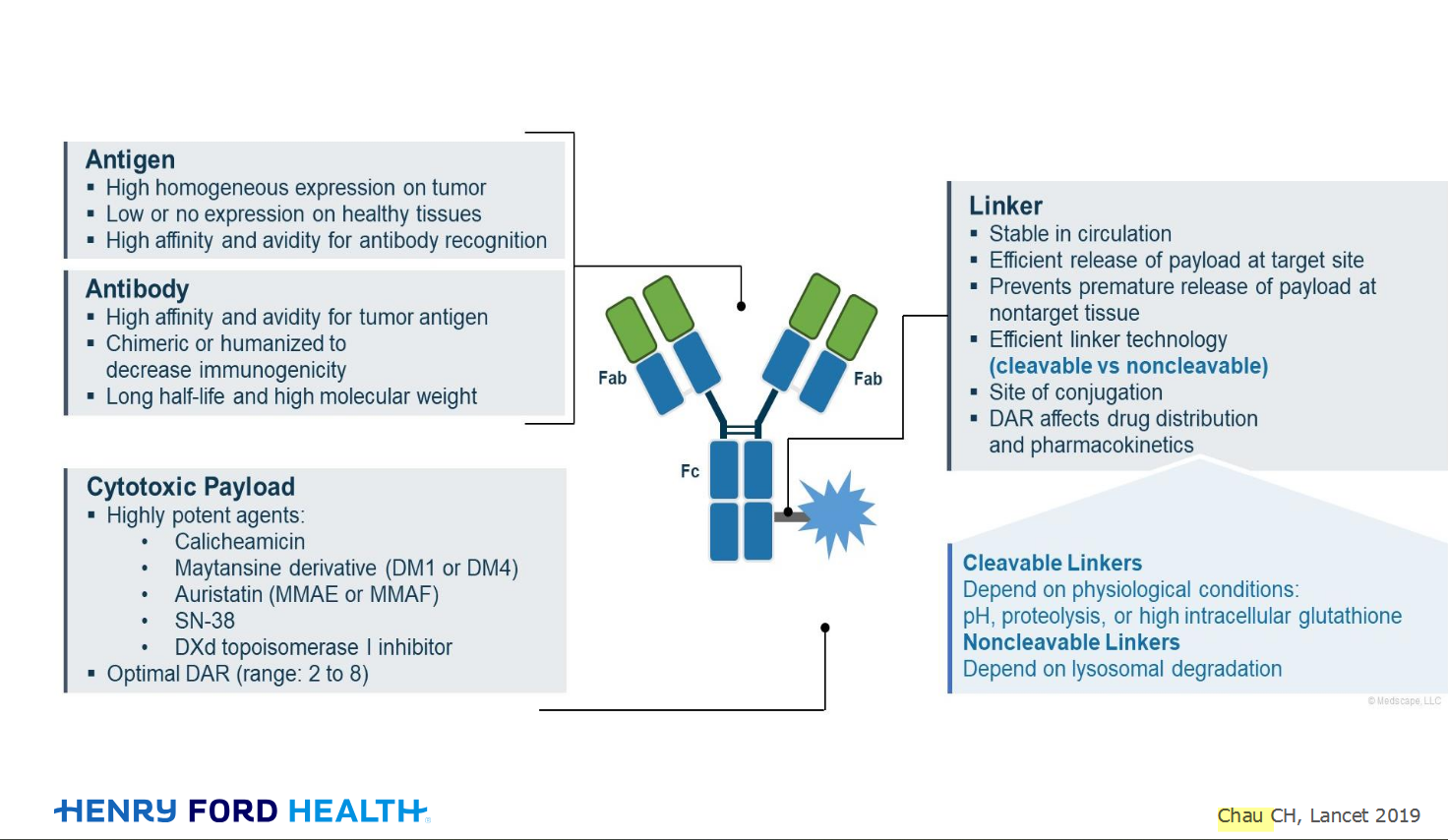
Here's the webinar on YouTube. It begins with the agenda. Note the link is a playlist, which will be populated with shorts from the webinar on specific topics
An antibody–drug conjugate (ADC) works a bit like a Trojan horse. It has three main components:

Welcome to the new CancerGRACE.org! Explore our fresh look and improved features—take a quick tour to see what’s new.