
Welcome!
Welcome to the new CancerGRACE.org! Explore our fresh look and improved features—take a quick tour to see what’s new.




Denise has over 30 years of varying experience in the healthcare arena. In August 2009 she joined The Global Resource for Advancing Cancer Education as one of its first employees. She has grown with the organization and now oversees the operational movement of programs, efficiency, and effectiveness within the organization, as well as the daily processes and functions.
For our 9th video in the GRACE Spanish Lung Cancer Library,  Dr. Brian Hunis, Medical Director, Head and Neck Cancer Program, Memorial Cancer Institute, Miami, Florida, joined GRACE to discuss the basics of Lung Cancer for Spanish-speaking patients and caregivers, in this video Dr. Hunis reviews the pros and cons of lung cancer screening.
TRANSCRIPTS - Spanish and English
Los pros y los contras de la detencion del cancer de pulmón
La pesquisa para el cancer de pulmón es relativamente nueva. Un estudio muy grande llamado NSLT o estudio de pesquisa en cancer de pulmón, ha demostrado una reducción de muerte por cancer de pulmón, en pacientes con alto riesgo. Los pacientes con alto riesgo son aquellos con por lo menos una exposición a tabaco por cigarrillo de un paquete diario por lo menos por 30 años para pacientes mayores de 65 años.
Una tomografía computada de baja radiación ha demostrado que se pueden encontrar lesiones pequeñas cuando el cancer de pulmón está en estadios tempranos, por lo cual es curativo.
En pacientes que cumplen con las características del estudio, el pro del poder hacer una pesquisa es que en esos pacientes se mostrar cancer de pulmón en estadios tempranos. Las contras es que a veces esos pacientes se van a tener que someter a biopsias que puede resultar ser innecesarias por lesiones pequeñas que pueden resultar no cancerosas.
Pros and cons of lung cancer screening
Research for lung cancer is relatively new. A big trial, NSLT or national lung screening trial has shown a reduction in death for lung cancer in high-risk patients. High-risk patients are those with a higher tobacco exposure of about one cigarette to one daily pack for 30 years in patients older than 65.
A low radiation computed tomography proved that there are some small signs when lung cancer is in the early stage which indicated that it is curable.
In patients that are suitable for the study, the pros of doing an inquest are to find and diagnose early stage lung cancer. However, the cons are that in these patients a biopsy should be done and it could possibly end up being unnecessary for non-cancerous lesions.
Please feel free to offer comments and raise questions in our
discussion forums.



Dr. Singhi's reprise on appropriate treatment, "Right patient, right time, right team".
While Dr. Ryckman described radiation oncology as "the perfect blend of nerd skills and empathy".
I hope any...
My understanding of ADCs is very basic. I plan to study Dr. Rous’ discussion to broaden that understanding.
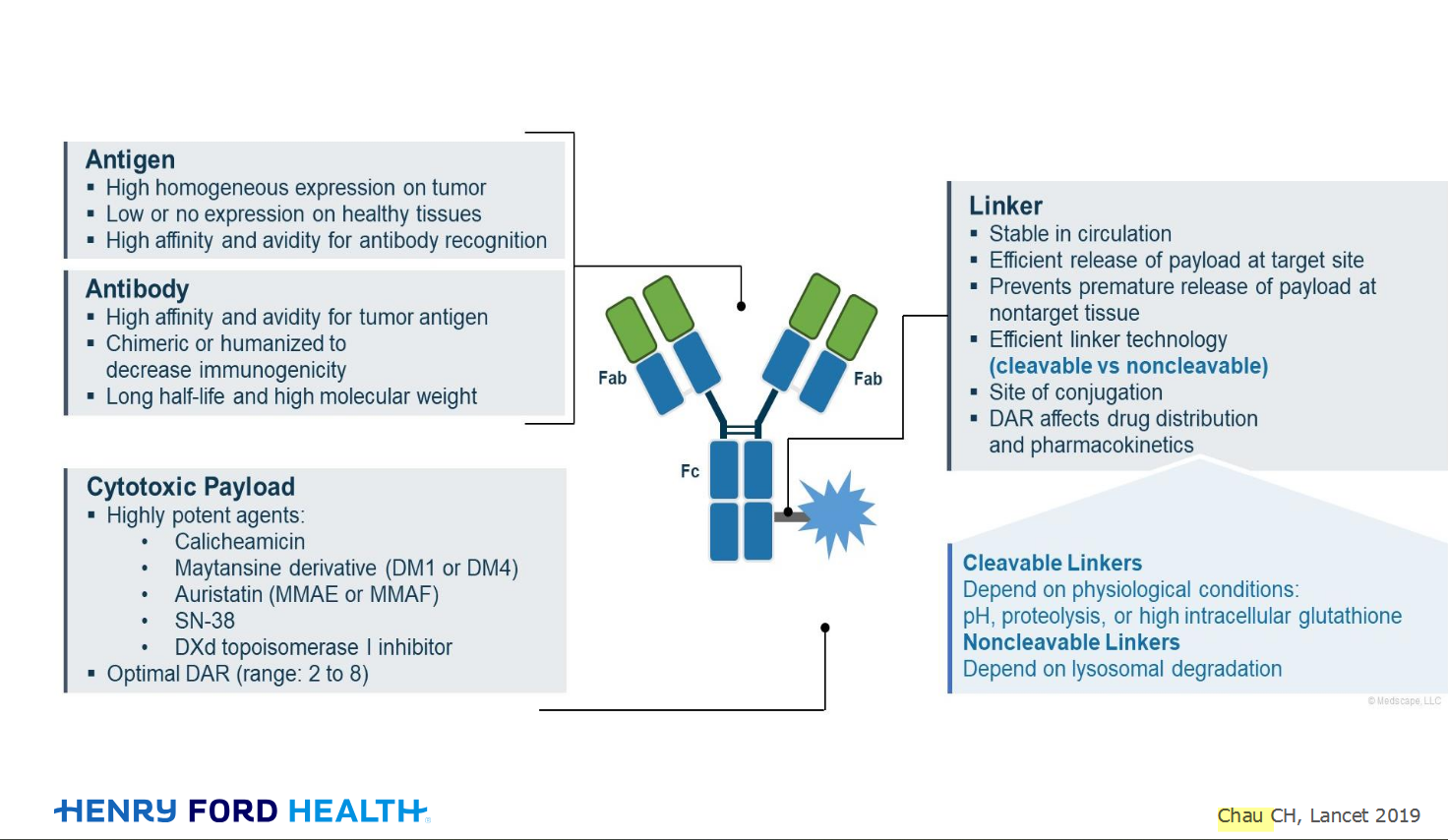
An antibody–drug conjugate (ADC) works a bit like a Trojan horse. It has three main components:
Bispecifics, or bispecific antibodies, are advanced immunotherapy drugs engineered to have two binding sites, allowing them to latch onto two different targets simultaneously, like a cancer cell and a T-cell, effectively...
The prefix “oligo–” means few. Oligometastatic (at diagnosis) Oligoprogression (during treatment)
There will be a discussion, “Studies in Oligometastatic NSCLC: Current Data and Definitions,” which will focus on what we...
Radiation therapy is primarily a localized treatment, meaning it precisely targets a specific tumor or area of the body, unlike systemic treatments (like chemotherapy) that affect the whole body.
The...

Welcome to the new CancerGRACE.org! Explore our fresh look and improved features—take a quick tour to see what’s new.
A Brief Tornado. I love the analogy Dr. Antonoff gave us to describe her presentation. I felt it earlier too and am looking forward to going back for deeper dive.