
Welcome!
Welcome to the new CancerGRACE.org! Explore our fresh look and improved features—take a quick tour to see what’s new.




Dr. Jack West is a medical oncologist and thoracic oncology specialist who is the Founder and previously served as President & CEO, currently a member of the Board of Directors of the Global Resource for Advancing Cancer Education (GRACE)
 Paul Newman died last week at the age of 83. A beloved actor and philanthropist, he was debonair, charming, dedicated to his family, thoughtful, and generous, with his "Newman's Own" brand raising millions for disadvantaged children. What's not to love?
I was certainly saddened to hear of his death, but what disappointed me was that the true cause of his death was almost conspicuously absent. The official releases in the major news outlets (example here, but many others are exactly the same), which was a spoon-fed piece from his publicist, was that he had died from cancer, but that was about all that was said. If you go to great lengths, you could find a story that scratched the surface enough to reveal that he had died of lung cancer (example here, and this even includes a much appreciated spotlight on the disease). Why make it a state secret?
It's been said by people who follow the struggles of lung cancer advocates that it's unfortunate that there aren't enough radiant celebrities who come out to speak for lung cancer awareness. Part of it is that we just don't have as many survivors as we wish we did. But what kind of message does it send when the families of beloved victims of lung cancer whitewash over the diagnosis and never acknowledge it enough to help other people facing the same problem? Some have said that when a famous person is reported as having died of "cancer", it's usually lung cancer. People don't seem to shy away from naming a diagnosis of breast cancer or leukemia or prostate cancer or colon cancer (the last meriting a TV special hosted by Katie Couric, while lung cancer doesn't receive even a word of mention).
I know that there was a thread a few months ago on the LCA website that offered a long list of celebrities with lung cancer (if someone can provide that link in a comment, that's great). Why are so few of them, or their families, interested in creating something positive and working to reverse the stigma and improve awareness and funding for lung cancer? We could really benefit from the momentum of someone else to have the public identify with. Having the very victims of lung cancer add to the stigma by going to great lengths to avoid being affiliated with this diagnosis seems to just add to the stigma?
Am I wrong? Does anyone else feel this way?
Please feel free to offer comments and raise questions in our
discussion forums.

Hi app.92, Welcome to Grace. I'm sorry this is late getting to you. And more sorry your mum is going through this. It's possible this isn't a pancoast tumor even though...
A Brief Tornado. I love the analogy Dr. Antonoff gave us to describe her presentation. I felt it earlier too and am looking forward to going back for deeper dive.
Dr. Singhi's reprise on appropriate treatment, "Right patient, right time, right team".
While Dr. Ryckman described radiation oncology as "the perfect blend of nerd skills and empathy".
I hope any...
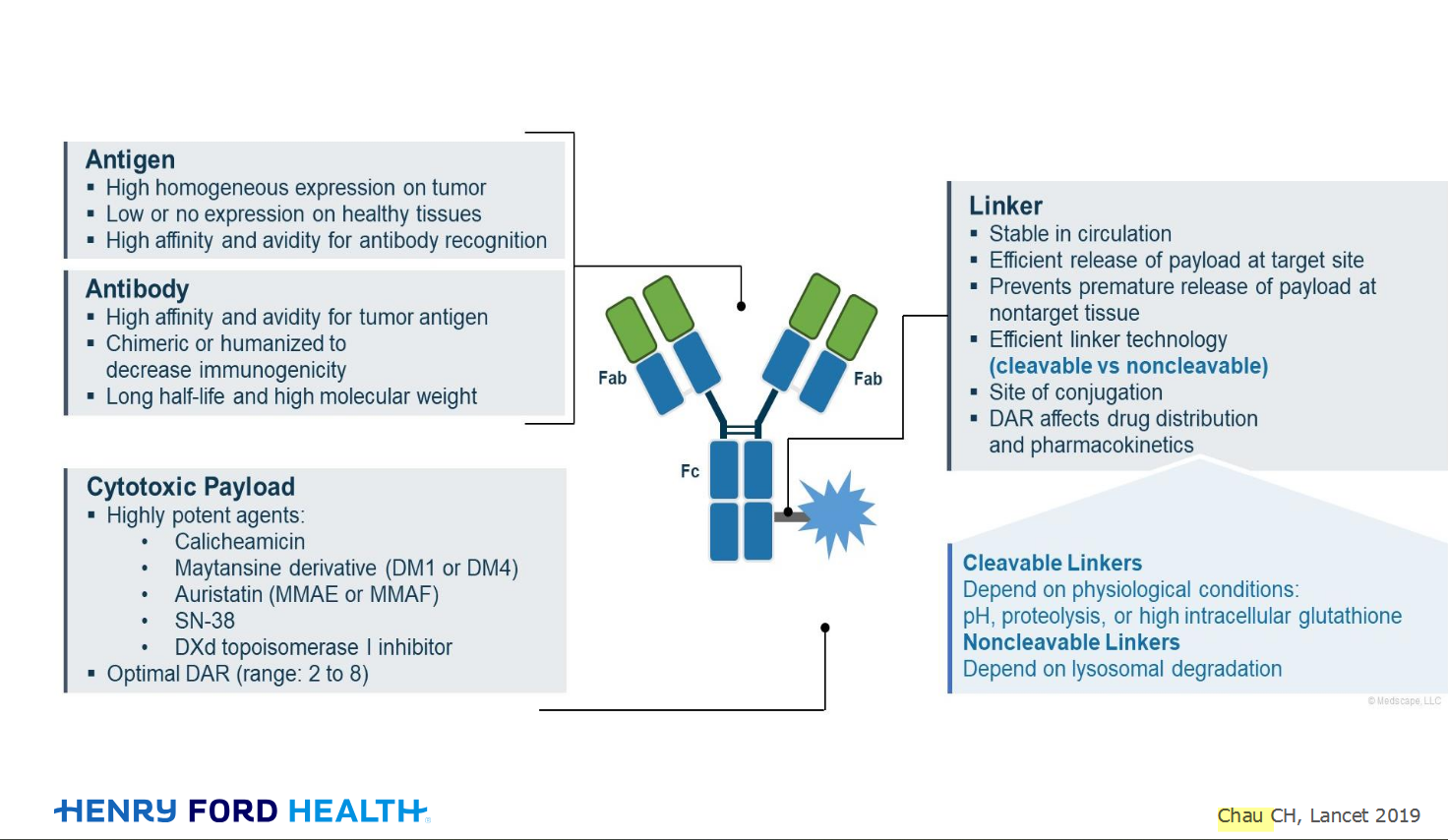
My understanding of ADCs is very basic. I plan to study Dr. Rous’ discussion to broaden that understanding.
Here's the webinar on YouTube. It begins with the agenda. Note the link is a playlist, which will be populated with shorts from the webinar on specific topics
An antibody–drug conjugate (ADC) works a bit like a Trojan horse. It has three main components:

Welcome to the new CancerGRACE.org! Explore our fresh look and improved features—take a quick tour to see what’s new.