
Welcome!
Welcome to the new CancerGRACE.org! Explore our fresh look and improved features—take a quick tour to see what’s new.


Denise has over 30 years of varying experience in the healthcare arena. In August 2009 she joined The Global Resource for Advancing Cancer Education as one of its first employees. She has grown with the organization and now oversees the operational movement of programs, efficiency, and effectiveness within the organization, as well as the daily processes and functions.
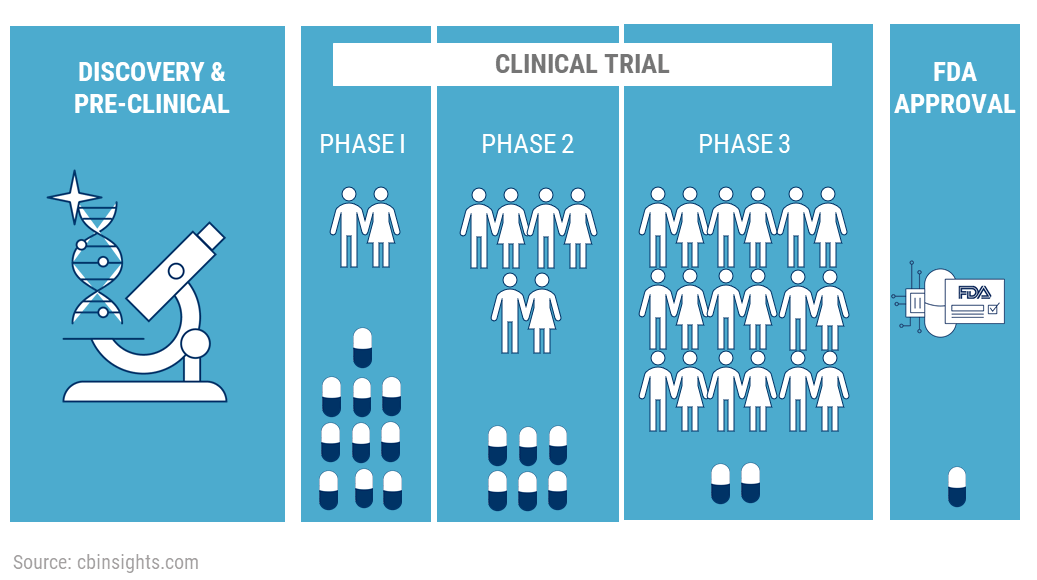
We realize an active ongoing discussion always surrounds Clinical Trials - What are they, who runs them, how do you become a part of one.
We are excited to share that we have partnered with EmergingMed.com to provide to you the EmergingMed Clinical Trial Navigation Service. EmergingMed.com's clinical trial database includes all treatment trials from clinicaltrials.gov along with updates reported to them directly by trial sponsors and sites. Clicking through our informational webpage to their search allows you to fill out a short questionnaire to identify clinical trials looking for your specific diagnosis, stage and treatment history. Their database includes the full national database of cancer treatment trials from all sponsors. You can also access our Clinical Trial page by the dropdown in our navigation bar, above, under FIGHT.
A clinical trial or study (sometimes called interventional studies) involves research using people who volunteer to participate that adds to the medical knowledge about that study. In a clinical trial, volunteers receive specific interventions according to a protocol created by the investigators for that trial. Interventions can be medical products (drugs or devices), procedures, or changes to a participants behavior. Outcomes are measured to determine safety and effectiveness. Clinical trials have standards or eligibility criteria outlining who can participate, and all clinical studies are led by a principal investigator, most often a medical doctor.
It is important that the participant's usual health care provider work with the research team so participants can make sure that the study protocol will not conflict with other medications or treatments being received.

We would love to hear your feedback and discussions on clinical trials -- your frustrations and triumphs. Join us in our patient forums to discuss! Click 'Ask a Question' or go to the Forums Page to read what our community has to say!
Please feel free to offer comments and raise questions in our
discussion forums.



Hi app.92, Welcome to Grace. I'm sorry this is late getting to you. And more sorry your mum is going through this. It's possible this isn't a pancoast tumor even though...
A Brief Tornado. I love the analogy Dr. Antonoff gave us to describe her presentation. I felt it earlier too and am looking forward to going back for deeper dive.
Dr. Singhi's reprise on appropriate treatment, "Right patient, right time, right team".
While Dr. Ryckman described radiation oncology as "the perfect blend of nerd skills and empathy".
I hope any...
My understanding of ADCs is very basic. I plan to study Dr. Rous’ discussion to broaden that understanding.
Here's the webinar on YouTube. It begins with the agenda. Note the link is a playlist, which will be populated with shorts from the webinar on specific topics
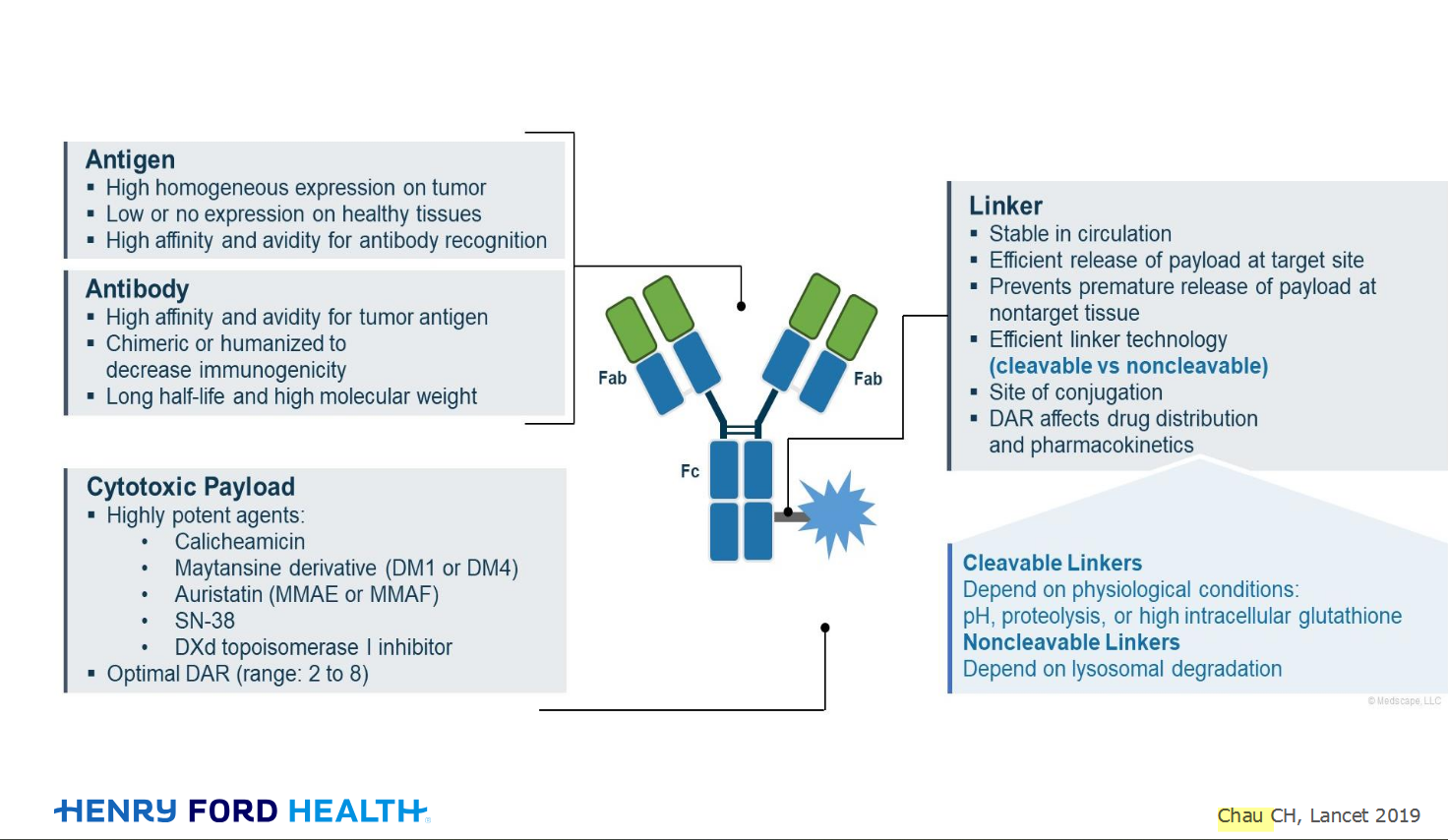
An antibody–drug conjugate (ADC) works a bit like a Trojan horse. It has three main components:

Welcome to the new CancerGRACE.org! Explore our fresh look and improved features—take a quick tour to see what’s new.