
Welcome!
Welcome to the new CancerGRACE.org! Explore our fresh look and improved features—take a quick tour to see what’s new.



Dr. Jack West is a medical oncologist and thoracic oncology specialist who is the Founder and previously served as President & CEO, currently a member of the Board of Directors of the Global Resource for Advancing Cancer Education (GRACE)
 We have seen over the past decade that patient self-education and participation in their own care have been steadily increasing with availability of the Internet. It has enabled patients and caregivers to look online for information as well as to connect with other people in the patient community who can provide both knowledge of available treatment options and support.
We often hear that online educational resources and communities are helpful for patients and caregivers, but we actually know very little of how and how much beyond that basic statement. While many note that their care has been improved, we still lack actual data about the benefits realized and the impact on health care. We need to present and discuss some actual data to the oncology community to convey the potentially constructive impact of epatients, Janet Freeman-Daily (@JFreemanDaily) and I are hoping to work with others in the lung cancer/ #LCSM community to develop a survey that can help convert some of the anecdotal strands in patient stories and discussion forums into interpretable data that we might present to cancer specialists to help health care professionals become more receptive to epatients and the value of online resources.
At this point, our first step is to address the key topics to cover in developing such a survey. We would like to dedicate the upcoming #LCSM chat on July 17th (8 PM Eastern, 5 PM Pacific) to a crowd-sourced discussion of the most valuable questions to ask and results we should hope to report. The chat will cover these central questions:
1) How can we determine what the most useful information is and where people are most successful in finding it?
2) How can we assess how HCPs receive/respond to information presented by patients & caregivers?
3) Can we assess how this info is used in shaping care? Is there some way to learn if/how it improves outcomes?
4) Will there be enough interest in this to expect many pts to participate? And how best to reach online pt community?
5) How long a survey (time req’d) would be appropriate before it’s excessive?
We hope you’ll join us for the #LCSM tweet chat on July 17th! Just follow the hashtag and add it to your Twitter comments. This is a great way to help contribute to the voice of the online community in speaking to what the experience means today and how it shapes cancer care.
Please feel free to offer comments and raise questions in our
discussion forums.
Hi app.92, Welcome to Grace. I'm sorry this is late getting to you. And more sorry your mum is going through this. It's possible this isn't a pancoast tumor even though...
A Brief Tornado. I love the analogy Dr. Antonoff gave us to describe her presentation. I felt it earlier too and am looking forward to going back for deeper dive.
Dr. Singhi's reprise on appropriate treatment, "Right patient, right time, right team".
While Dr. Ryckman described radiation oncology as "the perfect blend of nerd skills and empathy".
I hope any...
My understanding of ADCs is very basic. I plan to study Dr. Rous’ discussion to broaden that understanding.
Here's the webinar on YouTube. It begins with the agenda. Note the link is a playlist, which will be populated with shorts from the webinar on specific topics
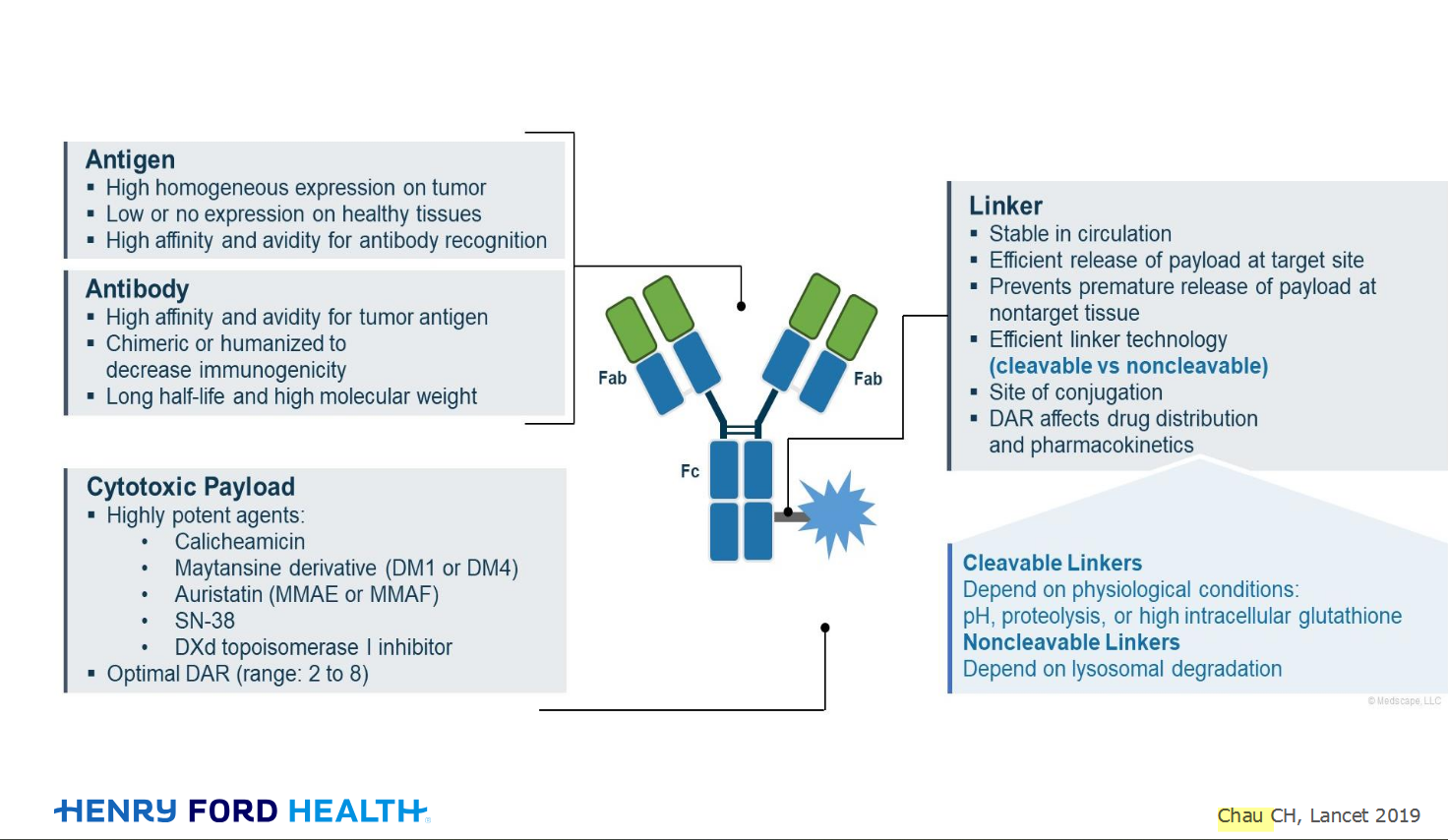
An antibody–drug conjugate (ADC) works a bit like a Trojan horse. It has three main components:

Welcome to the new CancerGRACE.org! Explore our fresh look and improved features—take a quick tour to see what’s new.