
Welcome!
Welcome to the new CancerGRACE.org! Explore our fresh look and improved features—take a quick tour to see what’s new.




Dr. Jack West is a medical oncologist and thoracic oncology specialist who is the Founder and previously served as President & CEO, currently a member of the Board of Directors of the Global Resource for Advancing Cancer Education (GRACE)
Two weeks from now (March 9, 3 PM EST/noon PST), Dr. Lecia Sequist of Massachusetts General Hospital will lead a free online webinar that is a joint program between GRACE and LUNGevity, on the topic of "Acquired Resistance to Epidermal Growth Factor Receptor (EGFR) Tyrosine Kinase Inhibitors (TKIs): What We Know Now, and How We’re Moving Forward", to be followed by an interactive Q&A session.
 Dr. Sequist is a medical oncologist and Assistant Professor of Medicine, Harvard Medical School; Center for Thoracic Cancers, Massachusetts General Hospital Cancer Center, and she is also one of the people at the forefront of management questions for patients with an activating EGFR mutation.
Some highlight issues we'll plan to cover:
1. What is known about the timing of development of acquired resistance to oral EGFR TKIs?
2. Is there anything known about ways to postpone acquired resistance?
3. Once progression is documented, is there anything to be done to restore/improve activity of these agents?
4. Are there data to speak to concept of continuing an EGFR TKI while adding chemo or some other agent, vs. stopping it at progression and switching to new therapy?
5. What is known about mechanisms of acquired resistance and any differences in clinical behavior and outcomes among these?
6. What practically useful information can be gained from re-biopsy at progression?
7. What are practical barriers to re-biopsy at progression?
8. What clinical trials are available for motivated patients?
Although this topic is most directly relevant to the minority of lung cancer patients with an activating EGFR mutation, the question of how to manage acquired resistance after a good initial response is a timely issue that is becoming increasingly relevant in our increasingly molecularly-defined approach to lung cancer.
For those interested and able to attend the live program, you can register here (registration info to be shared between GRACE and LUNGevity). For those who can't attend the live event or who don't want to worry about taking notes, we'll make this content available as a free podcast (audio or video) for everyone.
Please feel free to offer comments and raise questions in our
discussion forums.
Hi app.92, Welcome to Grace. I'm sorry this is late getting to you. And more sorry your mum is going through this. It's possible this isn't a pancoast tumor even though...
A Brief Tornado. I love the analogy Dr. Antonoff gave us to describe her presentation. I felt it earlier too and am looking forward to going back for deeper dive.
Dr. Singhi's reprise on appropriate treatment, "Right patient, right time, right team".
While Dr. Ryckman described radiation oncology as "the perfect blend of nerd skills and empathy".
I hope any...
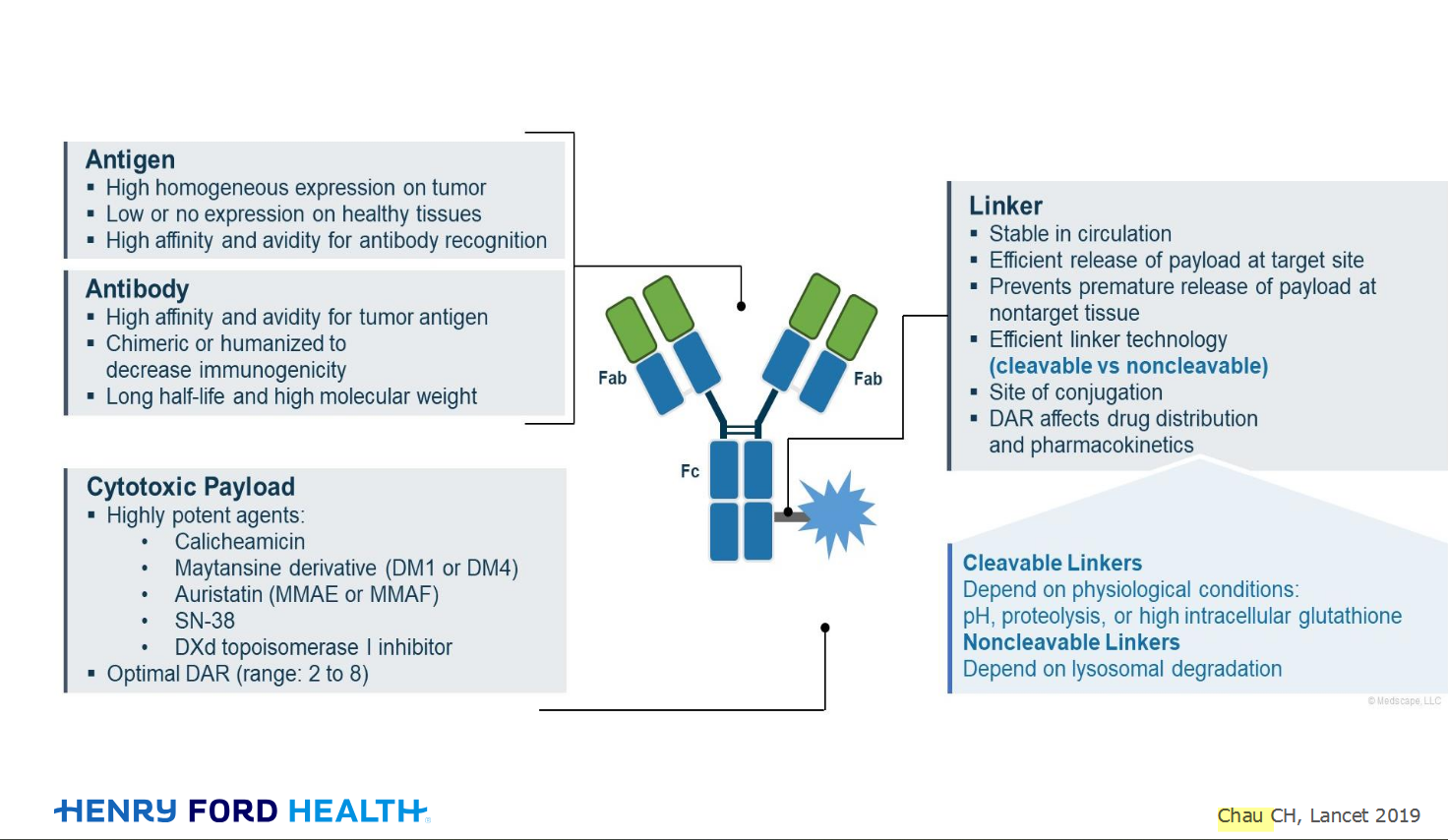
My understanding of ADCs is very basic. I plan to study Dr. Rous’ discussion to broaden that understanding.
Here's the webinar on YouTube. It begins with the agenda. Note the link is a playlist, which will be populated with shorts from the webinar on specific topics
An antibody–drug conjugate (ADC) works a bit like a Trojan horse. It has three main components:

Welcome to the new CancerGRACE.org! Explore our fresh look and improved features—take a quick tour to see what’s new.