
Welcome!
Welcome to the new CancerGRACE.org! Explore our fresh look and improved features—take a quick tour to see what’s new.


Dr. Jack West is a medical oncologist and thoracic oncology specialist who is the Founder and previously served as President & CEO, currently a member of the Board of Directors of the Global Resource for Advancing Cancer Education (GRACE)
 A few weeks ago, Dr. Lecia Sequist, Assistant Professor of Medicine at Harvard Medical School and Massachusetts General Hospital (MGH), joined us for a live webinar we did in partnership with LUNGevity Foundation. Dr. Sequist and her colleagues at MGH have been at the forefront of research in EGFR mutations: her group was among the first to identify activating mutations and observe the correlation with response to EGFR tyrosine kinase inhibitors (TKIs), and they continue to do much of the leading clinical research on acquired resistance -- the development of progression after an initial good response -- and potential mechanisms for reversing this.
In the presentation below, provided in video and audio podcast forms (along with the associated transcript and figures), she provides an outline of the issue and some of the identified mechanisms for resistance. In addition, she discusses several attempts to manage this and current and emerging clinical trial options for this setting.
[powerpress]
sequist-acquired-resistance-to-egfr-tkis-audio-podcast
sequist-acquired-resistance-to-egfr-tkis-transcript
sequist-acquired-resistance-to-egfr-tkis-figures
It's worth noting that Dr. Sequist was unable to discuss the results from a just-published paper that describes the MGH experience of re-biopsying patients over the course of treatment, since that information was still confidential until its publication last week. She recorded a separate brief podcast with me just days ago that is currently in production as a second portion of the podcast, and we'll also include the Q&A exchange from this webinar later.
Please feel free to offer comments and raise questions in our
discussion forums.
Hi app.92, Welcome to Grace. I'm sorry this is late getting to you. And more sorry your mum is going through this. It's possible this isn't a pancoast tumor even though...
A Brief Tornado. I love the analogy Dr. Antonoff gave us to describe her presentation. I felt it earlier too and am looking forward to going back for deeper dive.
Dr. Singhi's reprise on appropriate treatment, "Right patient, right time, right team".
While Dr. Ryckman described radiation oncology as "the perfect blend of nerd skills and empathy".
I hope any...
My understanding of ADCs is very basic. I plan to study Dr. Rous’ discussion to broaden that understanding.
Here's the webinar on YouTube. It begins with the agenda. Note the link is a playlist, which will be populated with shorts from the webinar on specific topics
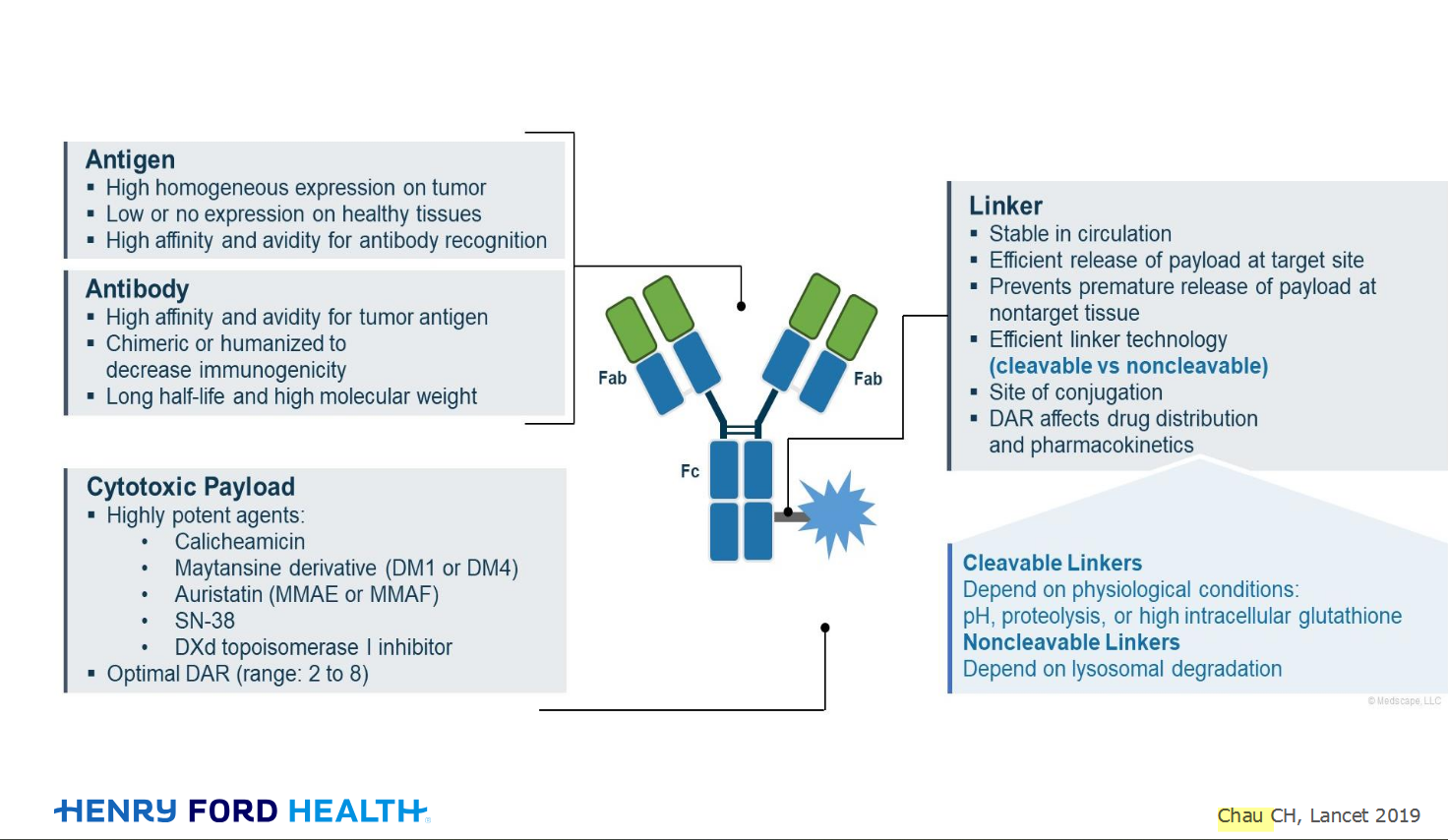
An antibody–drug conjugate (ADC) works a bit like a Trojan horse. It has three main components:

Welcome to the new CancerGRACE.org! Explore our fresh look and improved features—take a quick tour to see what’s new.